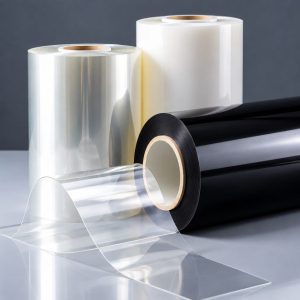

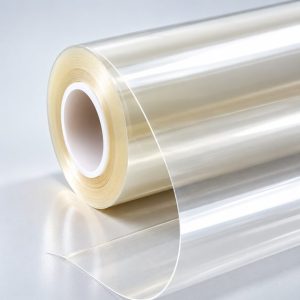
UL94 VTM-0 PET Film for Electrical Insulation
Explore flame retardant PET insulation film in selected UL94 VTM-0 and VTM-2 grades. Compare thickness and color options. Request a technical quote from HTM.
Flame Retardant PET Film – UL94 VTM-0 & VTM-2 Grades
Flame-Retardant Polyester Film for Electrical Insulation and Die-Cut Components
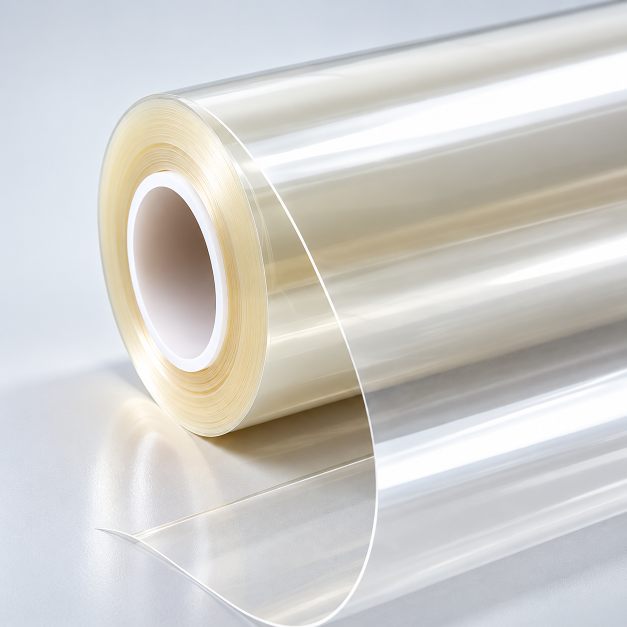
HighTemp Material supplies flame-retardant polyethylene terephthalate (PET) films for electrical insulation, electronic components, and industrial converting applications.
Selected PET film grades are available with UL 94 VTM-0 or VTM-2 flammability classifications, depending on the specific material designation, thickness, and color.
These films may be considered for applications where electrical insulation, dimensional stability, processing compatibility, and specified flammability performance are important selection criteria.
Material selection should be based on the requirements of the finished component, including operating temperature, electrical stress, mechanical loading, processing conditions, and applicable flammability requirements.
Request a Quote | View Available Grades
1. Product Overview
Flame-retardant PET film is a polyester-based insulation material used in electrical and electronic assemblies where conventional PET film may not meet the required flammability criteria.
Different flame-retardant PET grades may use different formulations and manufacturing processes. As a result, electrical, mechanical, thermal, and flammability performance can vary between products.
For engineering applications, it is important to distinguish between:
- Material flammability classification
- Nominal film thickness
- Material color and designation
- Electrical insulation properties
- Thermal exposure requirements
- Die-cutting and converting performance
A VTM-0 classification at one thickness does not automatically establish the same classification at another thickness or for another material grade.
2. Available Flame-Retardant PET Film Options
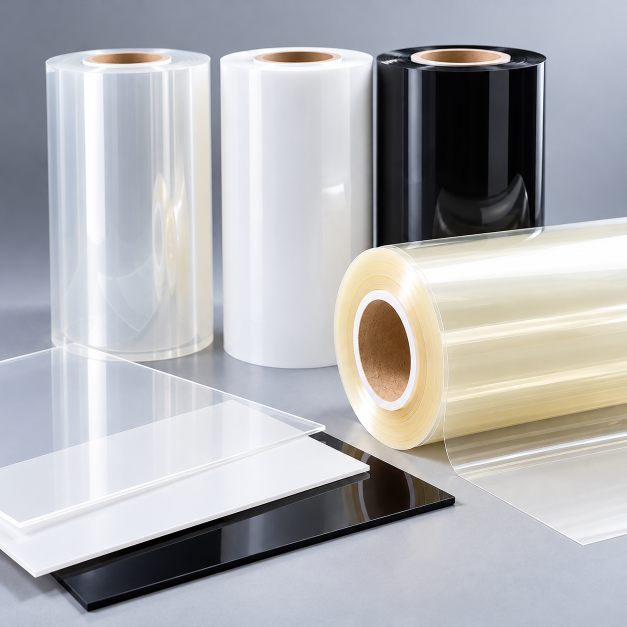
The following table summarizes selected PET film options identified from the available supplier material records.
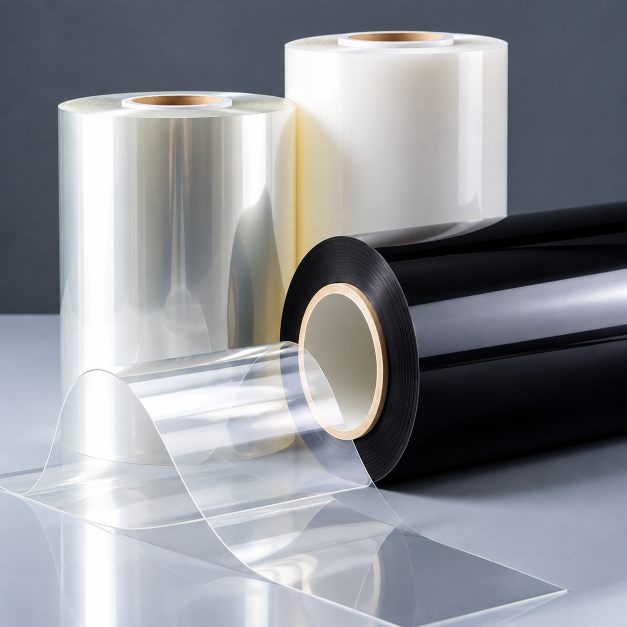
| Color Code | Nominal Thickness | Flammability Classification |
|---|---|---|
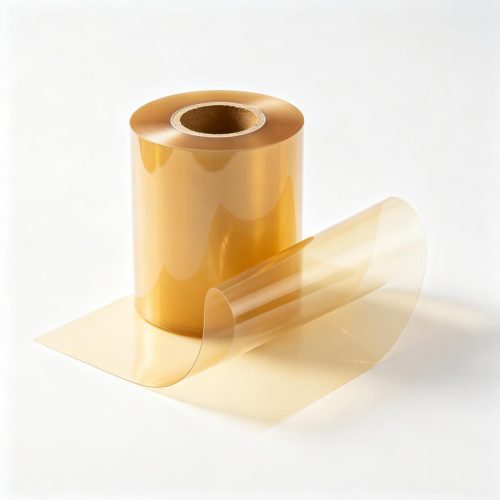
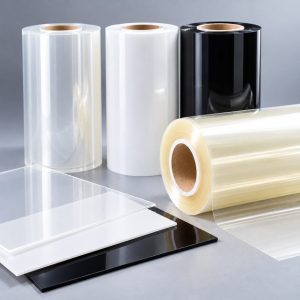
| NC | 0.025 mm (25 μm) | VTM-0 |
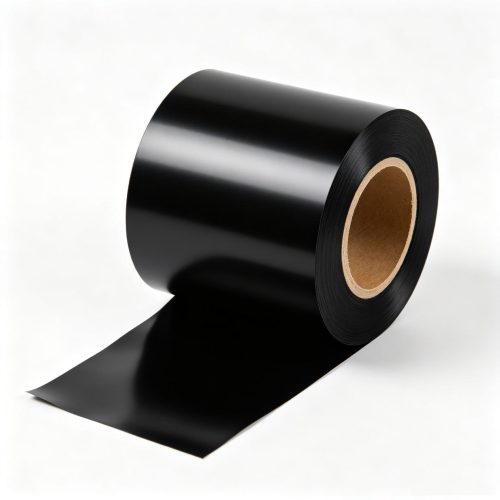
| BK | 0.036 mm (36 μm) | VTM-0 |
| BK | 0.100 mm (100 μm) | VTM-0 |
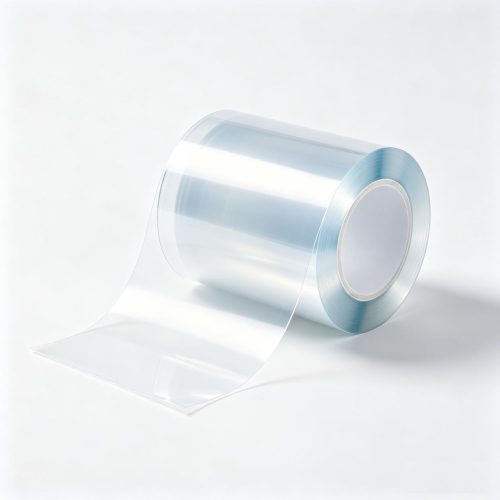
| WT | 0.036 mm (36 μm) | VTM-0 |
| WT | 0.188 mm (188 μm) | VTM-0 |
Important: This table represents selected material options, not a continuous certified thickness range. The applicable classification must be confirmed for the exact supplier grade, color, and thickness.
Additional PET film grades with VTM-2 classifications are also available for evaluation.
3. Understanding UL 94 VTM-0 and VTM-2
UL 94 includes vertical thin-material flammability classifications intended for materials evaluated under the relevant thin-material test procedure.
VTM-0 and VTM-2 are different classifications based on the specified test criteria. They should not be treated as equivalent.
A material classified as VTM-0 is not automatically classified as V-0, since these classifications relate to different test procedures and specimen configurations.
For purchasing and design approval, engineers should verify:
- The exact material designation
- The applicable UL 94 classification
- The recognized or tested thickness
- The approved color or color range
- The supporting test or recognition documentation
A material flammability classification also does not establish the fire performance or regulatory compliance of the finished electrical assembly.
4. Key Material Selection Factors
Electrical Insulation Performance
For electrical insulation applications, relevant properties may include dielectric strength, volume resistivity, insulation resistance, and performance under humidity or thermal aging.
These properties should be reviewed using the technical data sheet for the specific PET film grade.
Thickness and Dimensional Requirements
Film thickness affects electrical insulation design, mechanical behavior, flexibility, and die-cutting performance.
Engineers should specify both nominal thickness and acceptable thickness tolerance.
Flammability Classification
The required VTM classification should be established before material selection.
Where a specific UL-recognized material is required, the applicable recognition record and grade details should be verified.
Temperature Exposure
PET film should not be selected based solely on its melting temperature or a general description of heat resistance.
Continuous operating temperature, short-term thermal exposure, dimensional change, and mechanical property retention must be evaluated for the actual grade and application.
Converting Compatibility
For die-cut insulation parts, material selection should also consider dimensional tolerance, edge quality, punching performance, handling, and any adhesive or lamination requirements.
5. Typical Applications
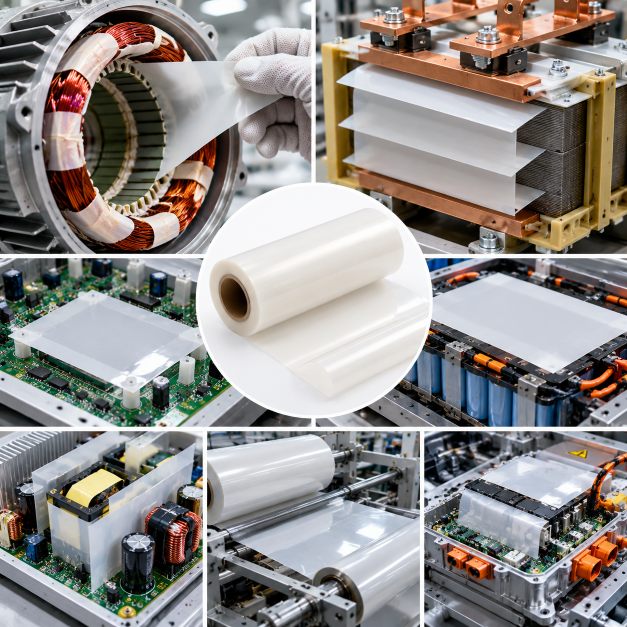
Electrical and Electronic Insulation
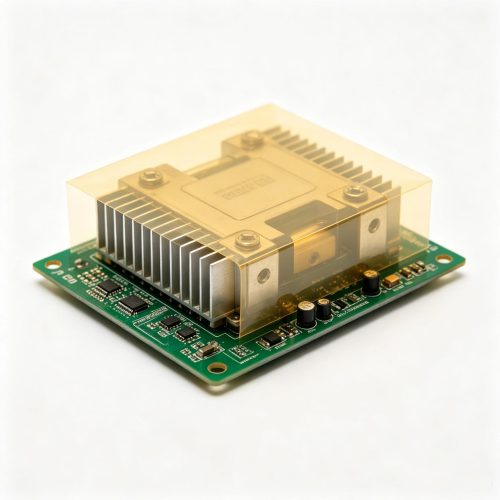
Selected flame-retardant PET films may be suitable for insulating barriers, separators, and protective layers in electrical and electronic components, subject to application-specific qualification.
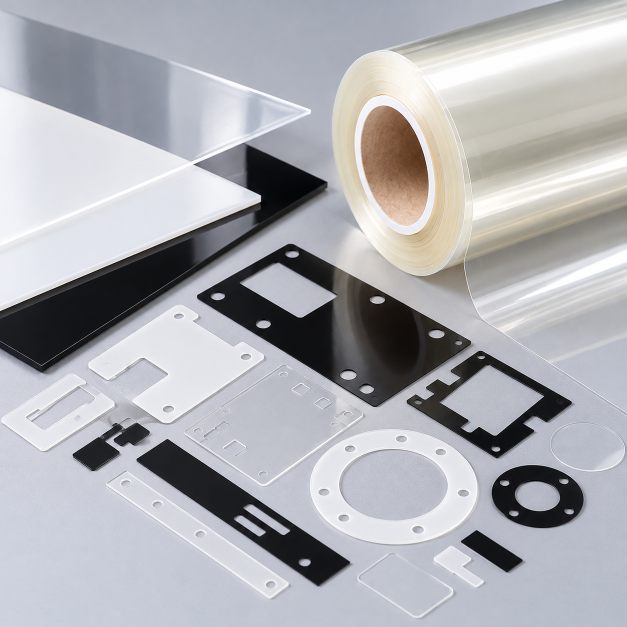
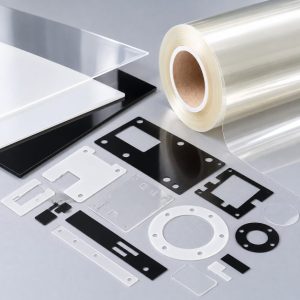
Die-Cut Insulation Components
PET film can be converted into custom insulation shapes for electronic assemblies where repeatable dimensions and appropriate electrical properties are required.
Power Supply and Electronic Assemblies
PET insulation film may be evaluated for barriers and insulation components in power-related electronics, provided that electrical, thermal, and safety requirements are satisfied.
Industrial Converting
Flame-retardant PET film can be considered for slitting, sheet cutting, and die-cutting operations where the selected grade meets the relevant processing requirements.
6. Common Selection Mistakes
Mistake 1: Assuming all flame-retardant PET films have the same classification
Different formulations, thicknesses, and colors may have different UL 94 results.
Mistake 2: Treating VTM-0 as equivalent to V-0
The classifications are not interchangeable.
Mistake 3: Selecting a film based only on thickness
Two PET films with the same nominal thickness may differ significantly in flammability, electrical, mechanical, or thermal performance.
Mistake 4: Ignoring processing conditions
Die-cutting, adhesive lamination, bending, and assembly operations can affect the suitability of the final component.
Mistake 5: Assuming raw-material classification applies to the finished assembly
Final product compliance may require additional testing or certification.
7. Recommended Material Validation
Before production approval, engineers should consider the following verification activities:
| Verification Area | Recommended Review |
|---|---|
| Material identity | Supplier grade and designation |
| Flammability | Applicable UL 94 test or recognition record |
| Thickness | Nominal value and tolerance |
| Electrical properties | Grade-specific TDS and relevant test results |
| Thermal performance | Exposure conditions and dimensional stability |
| Mechanical properties | Tensile, elongation, and handling requirements |
| Converting | Trial cutting, edge quality, and dimensional accuracy |
| Finished assembly | Application-specific qualification and compliance |
The exact testing program should be determined by the final application and applicable standards.
8. How to Select the Right PET Film
Step 1 – Define the flammability requirement
Confirm whether VTM-0, VTM-2, or another classification is required.
Step 2 – Specify thickness and color
Provide nominal thickness, acceptable tolerance, and preferred color.
Step 3 – Define electrical and thermal requirements
Share relevant electrical insulation requirements, operating temperature, and expected environmental exposure.
Step 4 – Confirm processing requirements
Indicate whether the film will be used in rolls, sheets, laminated structures, or die-cut parts.
Step 5 – Review the supplier grade and documentation
Confirm the relevant technical data and flammability records before final material approval.
9. Request a Technical Quotation
Looking for flame-retardant PET insulation film for your next electrical or electronic application?
HighTemp Material can help review available material options based on your specified thickness, color, flammability requirements, and application.
Please include the following information in your inquiry:
- Required UL 94 classification
- Nominal film thickness
- Color
- Roll, sheet, or die-cut part requirements
- Application and operating conditions
- Estimated order quantity
- Required technical documentation
Send Your RFQ to HighTemp Material
Our team will review your requirements and confirm the relevant material options and available documentation before quotation.
Frequently Asked Questions
1. What is UL94 VTM-0 PET film?
UL94 VTM-0 PET film refers to a polyester film grade that has achieved the VTM-0 flammability classification under the applicable UL 94 thin-material vertical burning test. The classification applies to the specified material designation and tested or recognized conditions.
2. What is the difference between UL94 VTM-0 and VTM-2?
VTM-0 and VTM-2 are different classifications within the UL 94 thin-material vertical burning test. They have different acceptance criteria, including requirements related to afterflame behavior and flaming particles. Engineers should specify the classification required for their application rather than treating them as interchangeable.
3. Is UL94 VTM-0 equivalent to UL94 V-0?
No. VTM-0 and V-0 are different UL 94 classifications associated with different test procedures and specimen configurations. A VTM-0 result should not be represented as V-0.
4. What thicknesses of VTM-0 PET film are available?
Selected supplier material records identify VTM-0 PET film options at nominal thicknesses including 0.025 mm, 0.036 mm, 0.100 mm, and 0.188 mm. Availability and classification depend on the exact material grade and color. Please provide your required thickness for grade-specific confirmation.
5. Are all colors available with the same flammability classification?
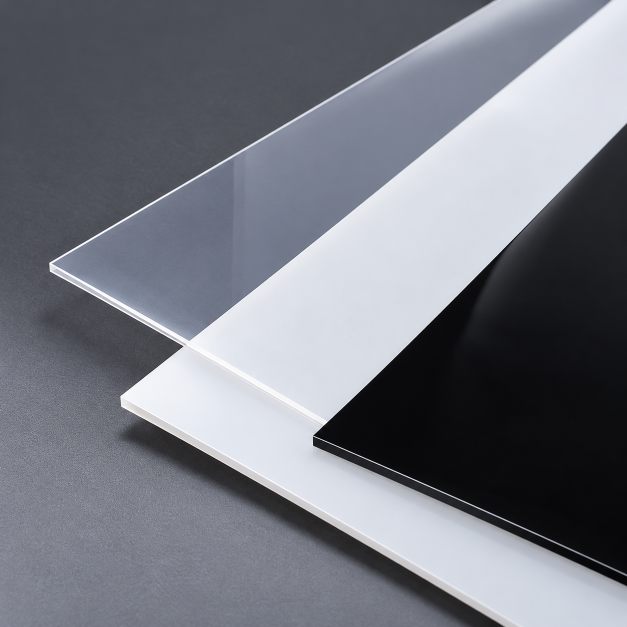
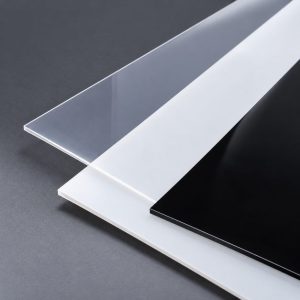
Not necessarily. Flammability classifications can vary by material designation, thickness, and color. Natural, black, and white PET films should be evaluated against their respective material records.
6. Can flame-retardant PET film be used for electrical insulation?
Selected PET film grades may be suitable for electrical insulation applications. The appropriate grade should be selected based on dielectric properties, operating conditions, mechanical requirements, and applicable safety standards.
7. Can flame-retardant PET film be die cut into custom shapes?
PET film can be evaluated for die-cutting, punching, slitting, and other converting operations. Suitability and achievable tolerances depend on the selected material grade, thickness, part geometry, and processing requirements.
8. Is VTM-0 PET film suitable for battery insulation?
It may be considered for certain battery-related insulation components, but material flammability classification alone is not sufficient for battery safety qualification. Electrical insulation, thermal exposure, chemical compatibility, mechanical durability, and applicable system requirements must also be evaluated.
9. Can you provide UL recognition or flammability documentation?
Please specify the required material grade, thickness, color, and documentation type. HighTemp Material will confirm the applicable supplier documentation and its availability for the selected material before quotation or material approval.
10. What information is needed for a PET film quotation?
Please provide the required thickness, color, UL 94 classification, product format, dimensions, application, estimated quantity, destination country, and any required technical documentation. Drawings or material specifications are helpful for custom components.