PET Release Film for PCB/FPC Lamination
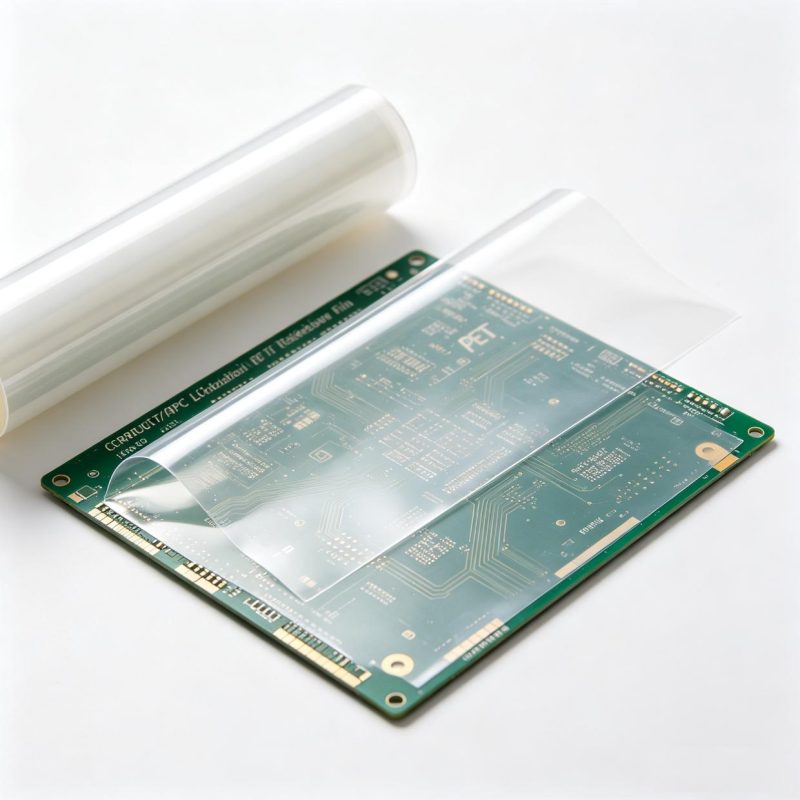
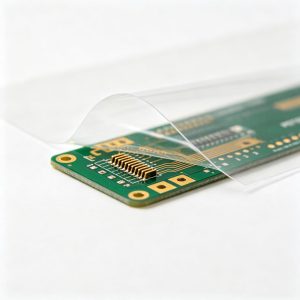
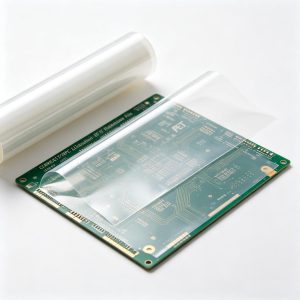
PET release film for PCB/FPC lamination, offering process separation and surface protection. Custom slit rolls and sheets for qualified hot-press applications.
PET Release Film for PCB/FPC Lamination
Silicone-Coated Polyester Release Film for PCB, FPC, FCCL and Electronic Lamination Processes
Product Overview
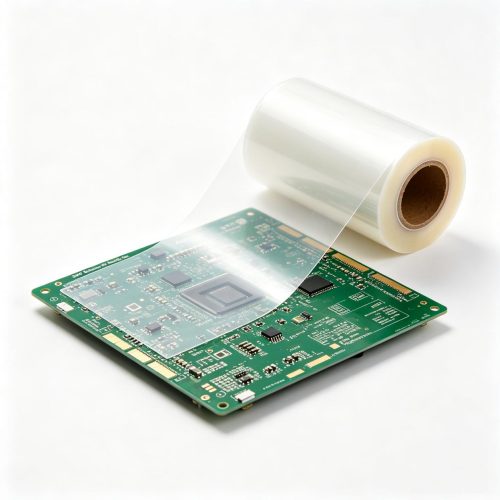
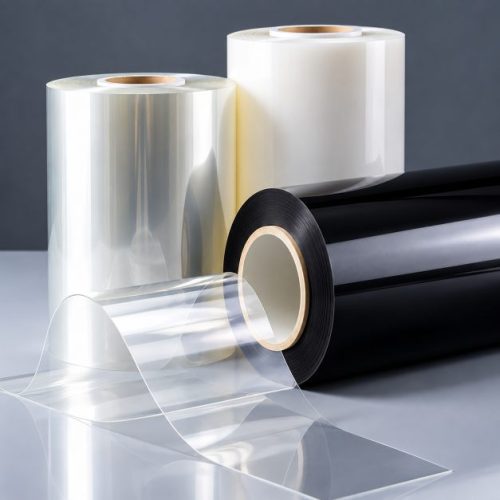
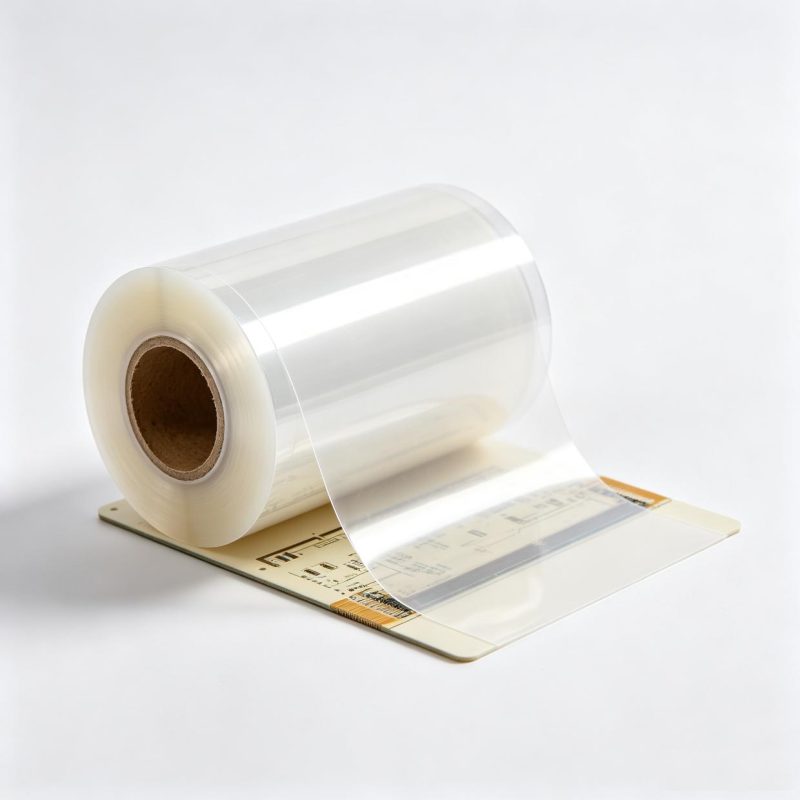
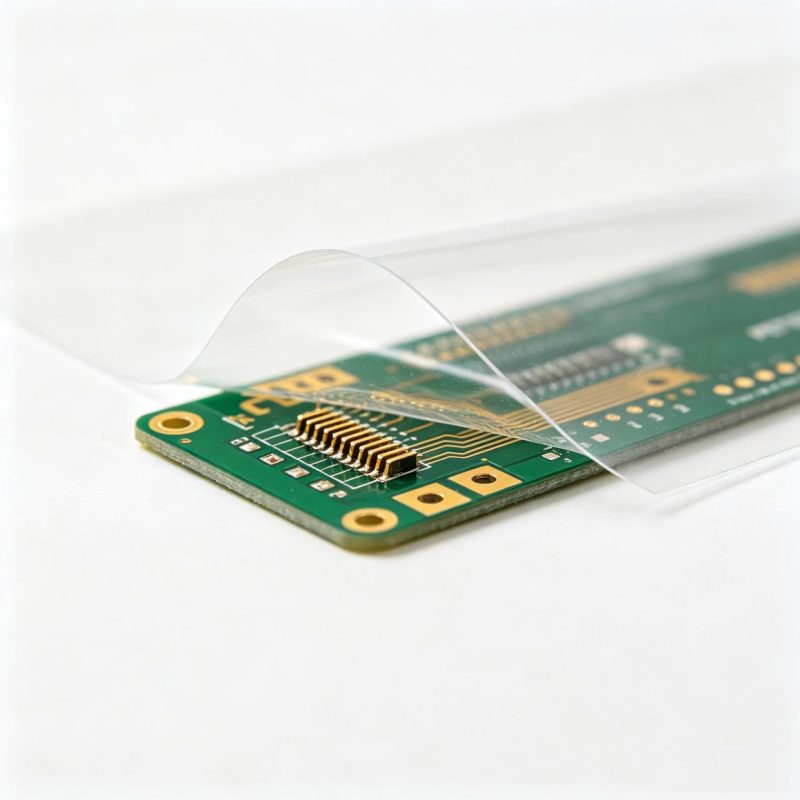
HighTemp Material supplies PET Release Film for PCB/FPC Lamination, designed to provide a controlled separation interface during selected hot-press, adhesive lamination, and electronic material manufacturing processes.
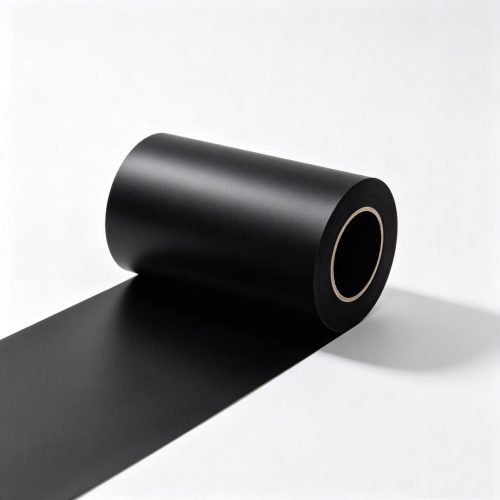
The currently listed product construction uses a polyester (PET) film substrate with a silicone release coating. Depending on the selected grade, release characteristics can be matched to specific adhesive, resin, or laminate systems.
PET release film is available for evaluation in PCB, flexible printed circuit (FPC), flexible copper clad laminate (FCCL), and related electronic material processing applications.
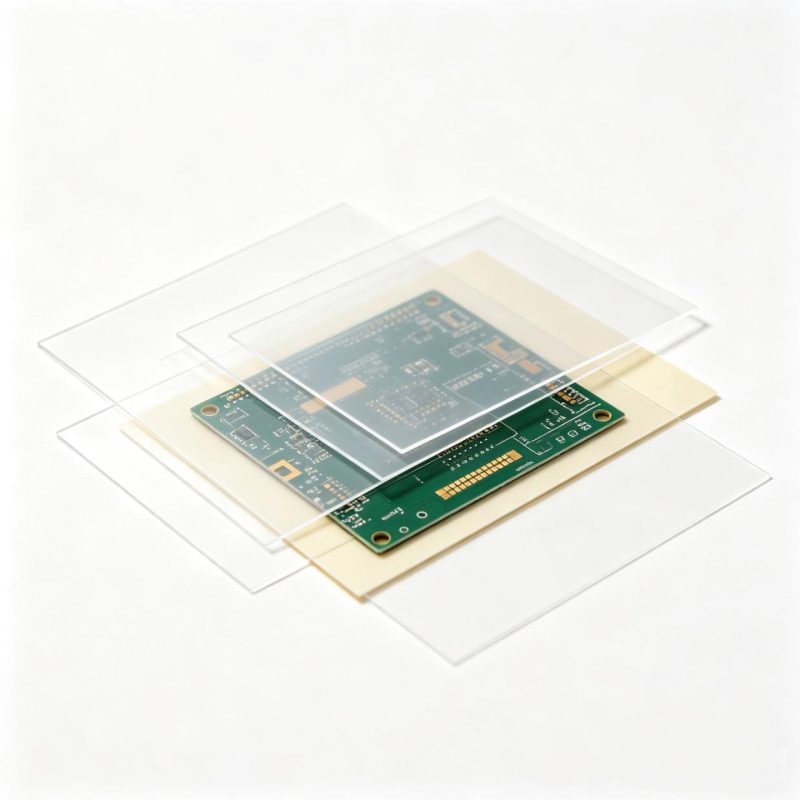
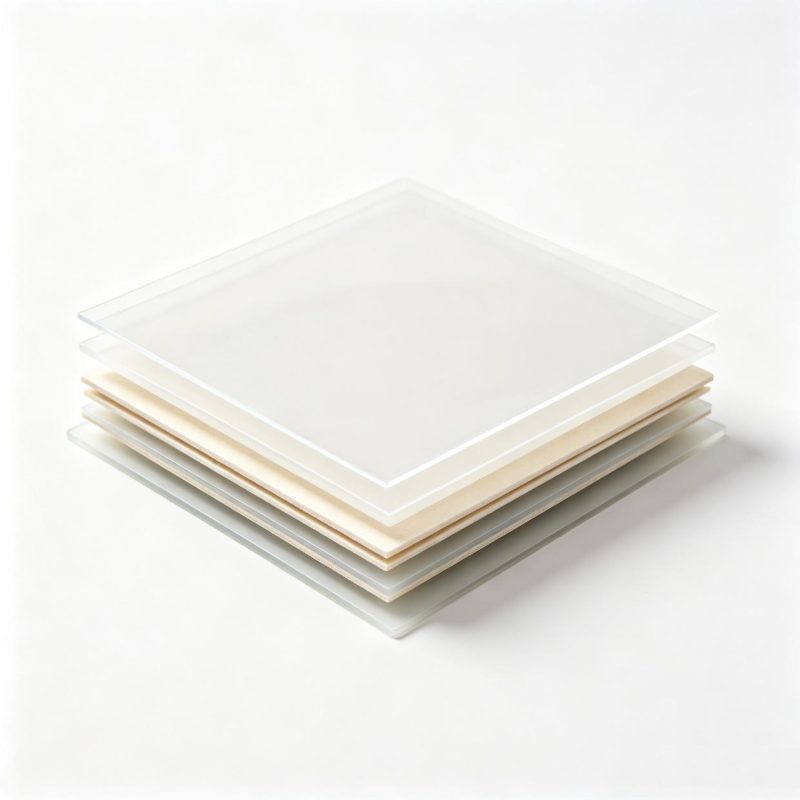
As part of our broader PCB / CCL / FPC Lamination Materials portfolio, PET release film can be evaluated alongside cushion materials and specialized release films according to the customer’s lamination process.
HighTemp Material supports material sourcing, application review, precision slitting, sheet cutting, and custom converting through qualified supply and processing partners.
Key Features and Benefits
1. Controlled Release Performance
The silicone-coated surface is intended to facilitate separation between the PET film and compatible adhesive or resin-coated materials.
Release behavior depends on coating formulation, mating material, contact pressure, temperature, dwell time, and peeling conditions.
For critical applications, release force should be evaluated both before and after the intended lamination cycle.
2. Smooth Surface for Lamination
A smooth film surface can support consistent contact and separation during compatible lamination processes.
Surface quality is especially important when the release film contacts sensitive copper surfaces, adhesive layers, or flexible electronic materials.
Surface defects, particles, wrinkles, and coating transfer should be evaluated according to the finished laminate requirements.
3. Dimensional Stability Under Qualified Conditions
PET film offers useful mechanical strength and dimensional control for many industrial converting applications.
However, film shrinkage and deformation increase with temperature and mechanical stress.
The selected film must be qualified under the customer’s actual pressing temperature, pressure, dwell time, and cooling conditions.
4. Flexible Release Coating Options
Depending on supplier grade availability, single-sided and double-sided silicone release films may be evaluated.
Release force and coating configuration should be selected according to the contact materials and process sequence.
5. Custom Slitting and Sheet Cutting
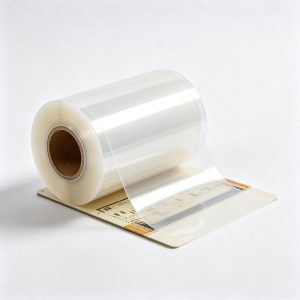
PET release films can be supplied in different roll and sheet formats to match lamination equipment, panel dimensions, and production workflows.
For custom roll widths, cut-to-size sheets, and other converting requirements, explore our Precision Converting Services.
Preliminary Technical Specifications
| Property | Current Product Information / Confirmation Required |
|---|---|
| Base Material | Polyester (PET) |
| Release Coating | Silicone coating, subject to grade confirmation |
| Coating Configuration | Single-sided / double-sided options to be confirmed |
| Listed Color Options | Transparent / Blue |
| Listed Thickness Range | 25–188 μm, subject to grade confirmation |
| Release Force | Grade-dependent; test method required |
| Maximum Process Temperature | To be confirmed |
| Maximum Pressing Pressure | To be confirmed |
| Recommended Dwell Time | To be confirmed |
| Thermal Shrinkage | Grade-specific test data required |
| Silicone Transfer | Application-specific validation required |
| Roll Width | Custom slitting subject to availability |
| Sheet Dimensions | Custom cutting available |
| Dimensional Tolerance | Confirmed according to processing method |
| Documentation | Subject to supplier and grade availability |
Technical Note: The listed thickness and color options are based on existing product information and require confirmation against the selected material grade.
Typical Applications
PCB Lamination
PET release film may serve as a separation layer during compatible PCB lamination or secondary bonding processes.
Its suitability depends on the resin system, contact surfaces, and full pressing profile.
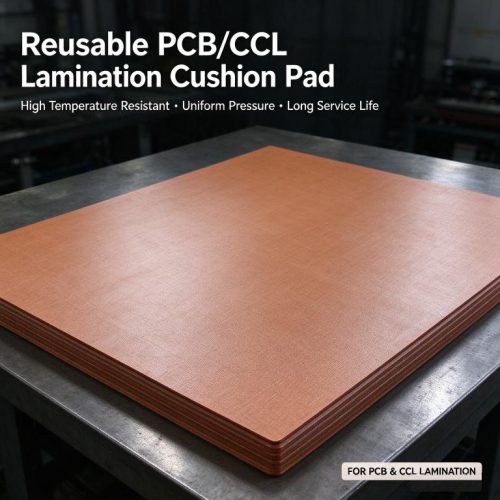
For pressure distribution and cushioning within suitable press stacks, customers may also evaluate our Reusable PCB/CCL Lamination Cushion Pad.
FPC Manufacturing
Flexible printed circuit manufacturing can require controlled release interfaces during adhesive bonding, coverlay processing, or related lamination operations.
The selected film should be evaluated for surface cleanliness, dimensional stability, and removal behavior.
FCCL Processing
PET release films may be used in compatible flexible copper clad laminate and adhesive-coated material manufacturing processes.
Release-force stability and coating transfer are particularly important when processing sensitive electronic materials.
Rigid-Flex and HDI Related Processes
Selected PET release film grades may be considered for compatible process steps in rigid-flex and HDI manufacturing.
However, high-temperature multilayer lamination or resin-blocking applications may require different materials.
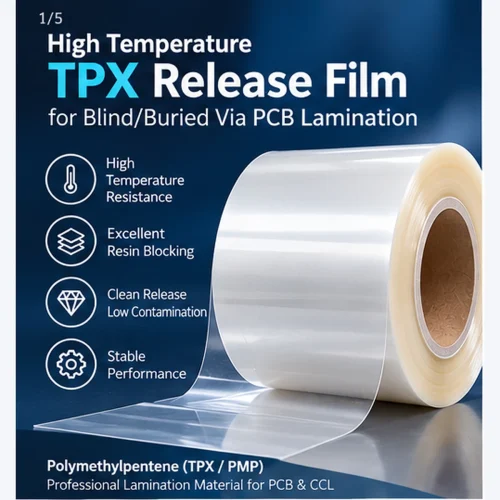
For processes requiring specialized resin-flow control or higher-temperature release performance, explore our TPX Anti-Resin Release Film as an alternative material candidate.
Adhesive Film and Electronic Material Converting
Silicone-coated PET release films can also be evaluated as release liners or process separation materials for compatible adhesive-coated electronic films.
PET Release Film vs TPX Release Film: Which Should You Choose?
PET and TPX release films have different material characteristics and should be selected according to the actual pressing process.
| Selection Factor | Silicone-Coated PET Release Film | TPX/PMP Release Film |
|---|---|---|
| Base Polymer | Polyester | Polymethylpentene |
| Release Mechanism | Silicone coating | Grade-dependent surface properties |
| Typical Role | Release liner and process separation | Specialized release and resin-control applications |
| Thermal Suitability | Requires grade-specific qualification | Requires grade-specific qualification |
| Silicone Transfer Concern | Requires evaluation | Depends on construction |
| Custom Slitting | Available | Available |
| Selection Priority | Release force, cleanliness, dimensional control | Thermal profile, resin behavior, dimensional stability |
For high-temperature multilayer PCB pressing or blind-via resin-blocking applications, the selected release-film construction must be evaluated under actual production conditions.
How to Select PET Release Film for PCB/FPC Lamination
Step 1 — Confirm the Lamination Process
Identify whether the film is used in PCB pressing, FPC coverlay bonding, FCCL processing, adhesive film production, or another operation.
Step 2 — Provide the Temperature and Pressure Profile
Provide the peak pressing temperature, heating and cooling profile, applied pressure, dwell time, and number of thermal cycles.
Step 3 — Identify the Contact Material
Specify whether the release film contacts epoxy resin, acrylic adhesive, polyimide adhesive, copper, coverlay, or another material.
Step 4 — Define the Required Release Force
Specify the target release-force range, preferred testing method, and any requirements for stable release after thermal exposure.
Step 5 — Evaluate Cleanliness and Surface Quality
Consider silicone transfer, surface particles, residue, wrinkles, coating defects, and surface marks.
Step 6 — Review the Complete Lamination Stack
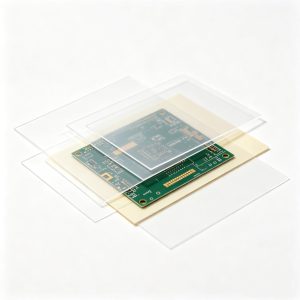
Release-film selection should also consider the cushioning materials used in the pressing stack.
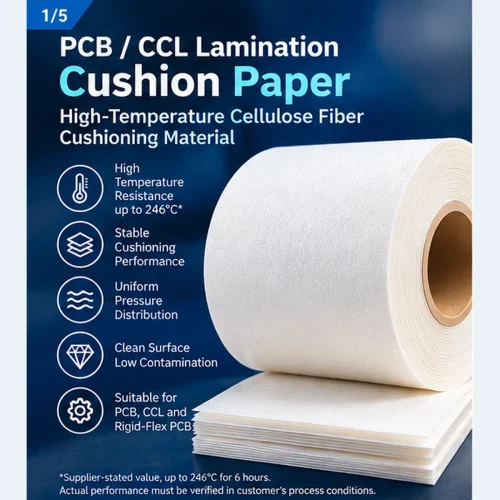
For compatible applications requiring disposable pressure-distribution layers, see our PCB/FPC Lamination Cushion Paper.
Step 7 — Confirm Film Dimensions
Provide thickness, roll width, roll length, core size, sheet dimensions, and any cutting tolerances.
Common Lamination Problems and Material Selection Considerations
| Problem | Possible Cause | Recommended Evaluation |
|---|---|---|
| Film sticking after pressing | Incompatible coating or excessive process exposure | Test release after the complete lamination cycle |
| Film shrinkage | Excessive temperature or insufficient dimensional stability | Review thermal shrinkage and alternative grades |
| Surface contamination | Coating transfer or particle contamination | Evaluate cleanliness and transfer requirements |
| Wrinkles during pressing | Film tension, thermal deformation, or stacking conditions | Review film thickness and lamination setup |
| Uneven release | Inconsistent contact or release behavior | Review coating uniformity and test conditions |
| Surface marks | Film texture, trapped particles, or pressure distribution | Evaluate film finish and press stack configuration |
Custom Converting and Supply Options
HighTemp Material supports the sourcing and converting of PET release films according to customer requirements.
Available services may include:
- Custom roll slitting
- Cut-to-size sheets
- Selected die-cut shapes
- Roll length customization
- Packaging and labeling
- Engineering sample preparation
- Drawing-based dimensional review
Specific capabilities, tolerances, and order quantities are confirmed before quotation.
Frequently Asked Questions
What is PET release film used for in PCB and FPC manufacturing?
PET release film is used as a separation material in compatible lamination and adhesive-processing operations. It helps facilitate removal of the process film from the contacted material after processing.
Is PET release film suitable for high-temperature PCB lamination?
Suitability depends on the PET grade, release coating, temperature, pressure, and dwell time. A specific film must be qualified before use in demanding high-temperature press cycles.
Can you supply different release-force levels?
Different release-force grades may be evaluated according to supplier availability. The required test method and target range should be confirmed before selection.
Is the release film silicone-coated?
The currently listed product is silicone-coated PET film. Coating configuration and specific grade information should be confirmed during quotation.
Can PET release film be used for HDI and rigid-flex PCB manufacturing?
It may be suitable for selected process steps, but it is not automatically suitable for every HDI or rigid-flex lamination process. Temperature, resin behavior, and cleanliness requirements must be reviewed.
Can you supply custom widths and sheets?
Yes. Custom slitting and sheet cutting can be evaluated according to material availability, required dimensions, and tolerances.
How do I choose between PET and TPX release film?
The choice depends on thermal exposure, resin compatibility, release characteristics, cleanliness, and the intended role of the film. High-temperature resin-blocking applications may require specialized materials.
What information is required for a quotation?
Please provide film thickness, roll or sheet dimensions, required release force, contact material, lamination temperature, pressure, dwell time, and estimated quantity.
Request PET Release Film Samples and Quotations
Looking for PET release film for PCB, FPC, FCCL, or electronic material lamination?
HighTemp Material can support material selection, custom roll slitting, cut-to-size sheets, and sample evaluation.
Send us your lamination conditions, required film dimensions, and release requirements for a preliminary review.
HighTemp Material Co., Ltd.
Website: https://www.hightempmaterial.com/
Request a Quote | Request Samples | Discuss Your Lamination Process