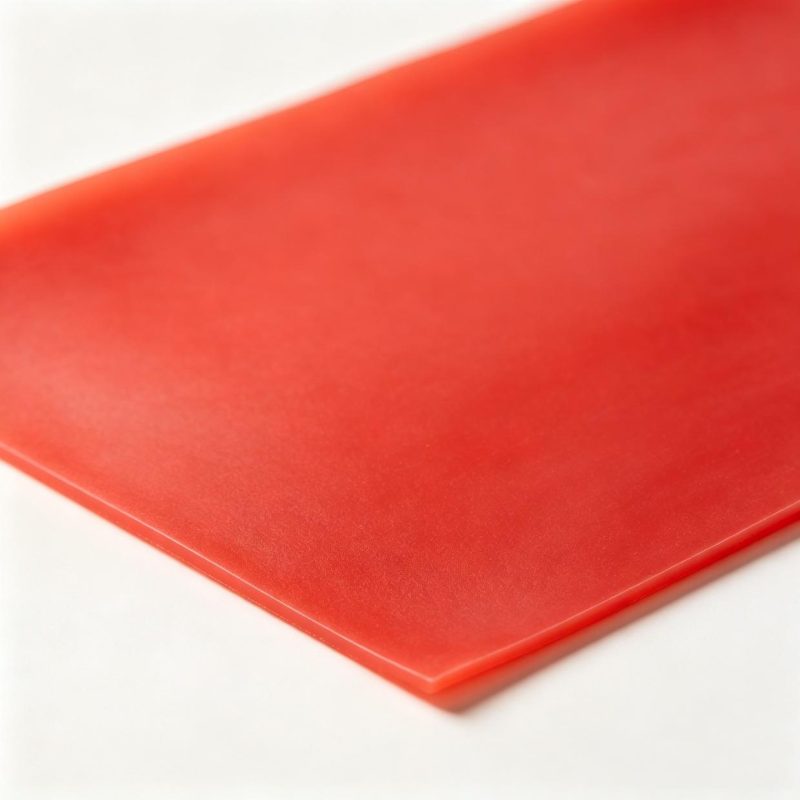
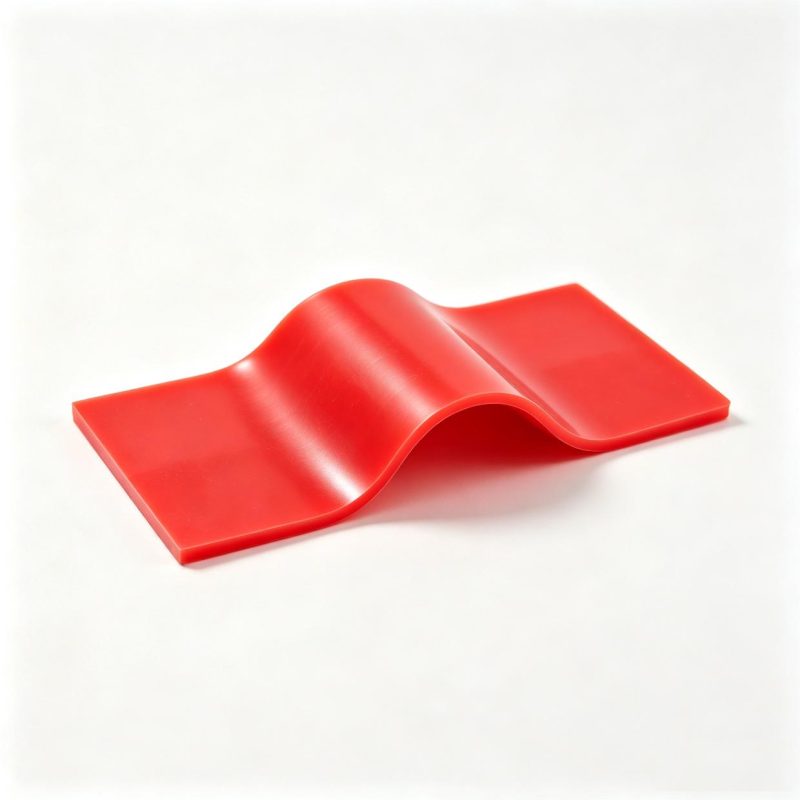
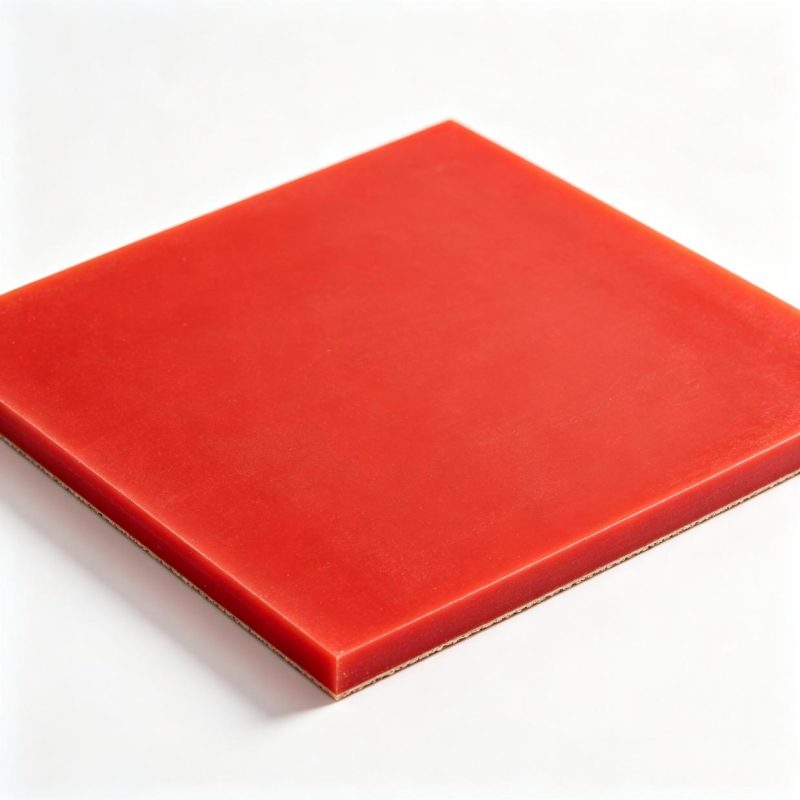
PCB Lamination Silicone Press Cushion
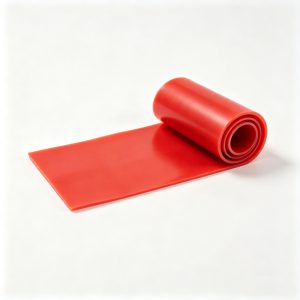
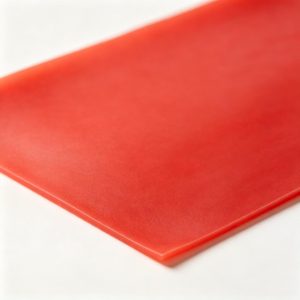
PCB lamination silicone press cushions for pressure distribution and thermal buffering in PCB, CCL and FPC hot pressing. Custom sizes and grades available.
PCB Lamination Silicone Press Cushion
High-Temperature Silicone Cushioning Material for PCB, CCL, FPC and Electronic Substrate Lamination
Product Overview
HighTemp Material supplies PCB Lamination Silicone Press Cushion materials for selected high-temperature hot-press processes used in printed circuit board, copper clad laminate, flexible circuit, and electronic substrate manufacturing.
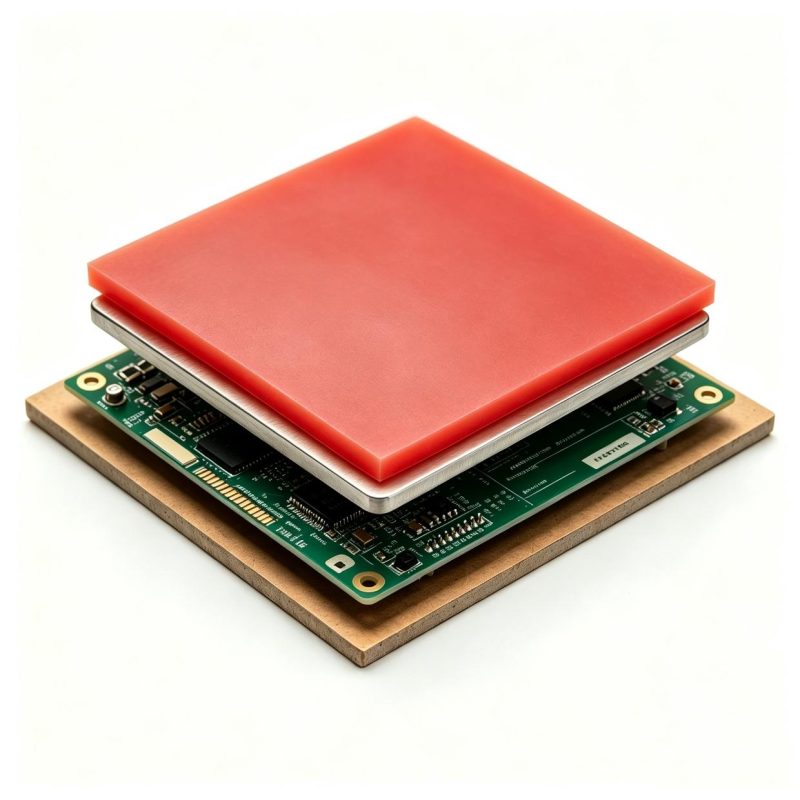
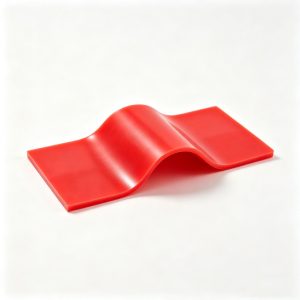
Silicone-based press cushions are designed to provide a compliant layer within suitable lamination press stacks, helping accommodate thickness variations and distribute pressure across the panel surface.
Depending on the selected material construction, silicone press cushions may also contribute to thermal buffering and repeated compression performance.
As part of our PCB / CCL / FPC Lamination Materials portfolio, silicone press cushions can be evaluated alongside reusable composite cushion pads, disposable cushion paper, and release films.
HighTemp Material supports material selection, custom sheet sizing, and supply through qualified material manufacturers and processing partners.
Request Technical Information | Request Samples | Get a Quote
Key Features and Benefits
1. Pressure Distribution During Lamination
A compliant silicone cushioning layer can help compensate for localized thickness variations within a lamination stack.
Appropriate cushion selection may improve contact uniformity and reduce uneven pressure distribution.
Actual performance depends on cushion construction, compression characteristics, press conditions, and stack configuration.
2. Thermal Stability Under Qualified Conditions
Selected silicone materials offer thermal resistance suitable for industrial hot-press applications.
However, the maximum operating temperature of a finished press cushion depends on silicone formulation, reinforcement, adhesive layers, compression load, and exposure duration.
Temperature ratings must be confirmed for the selected grade.
3. Compression and Recovery Performance
Silicone press cushions are selected partly for their ability to deform under load and recover after compression.
Compression behavior should be evaluated under actual temperature, pressure, and cycle conditions.
Important parameters include:
- Compression deflection
- Compression set
- Recovery after unloading
- Thickness retention
- Repeated-cycle performance
4. Potential for Repeated Use
Some silicone-based press cushion constructions are designed for repeated lamination cycles.
The achievable service life depends on operating conditions, material grade, cleaning practices, and replacement criteria.
No fixed reuse-cycle rating is claimed without grade-specific test data.
5. Custom Sizes and Constructions
Press cushion materials may be supplied in different sheet sizes, thicknesses, and constructions according to equipment requirements.
For specialized converting and cut-to-size services, see our Precision Converting Services.
Silicone Press Cushion Material Constructions
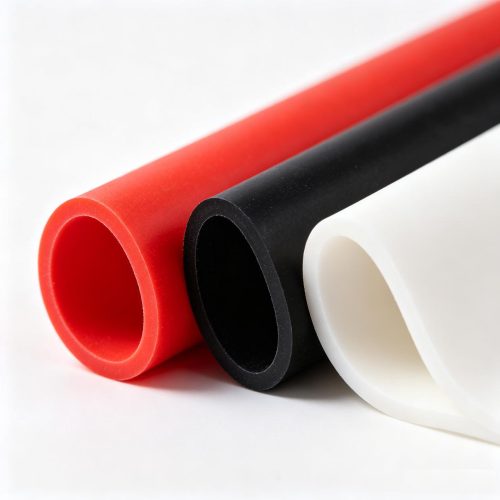
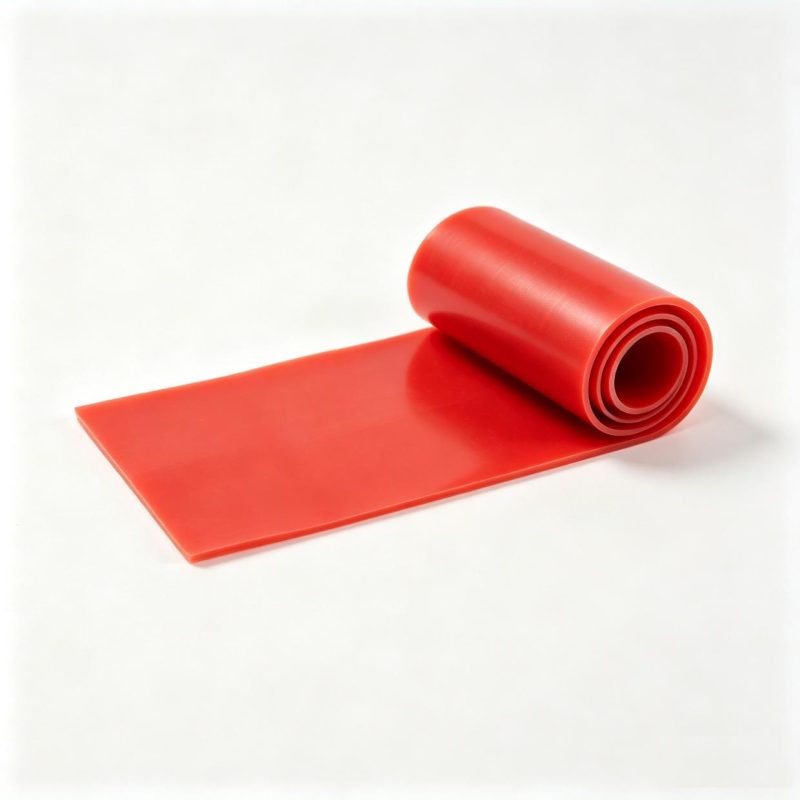
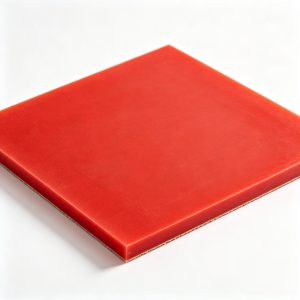
Solid Silicone Rubber Cushion
Solid silicone rubber sheets may provide cushioning and thermal resistance in selected press applications.
Their suitability depends on hardness, thickness, compression behavior, and thermal stability.
Reinforced Silicone Cushion
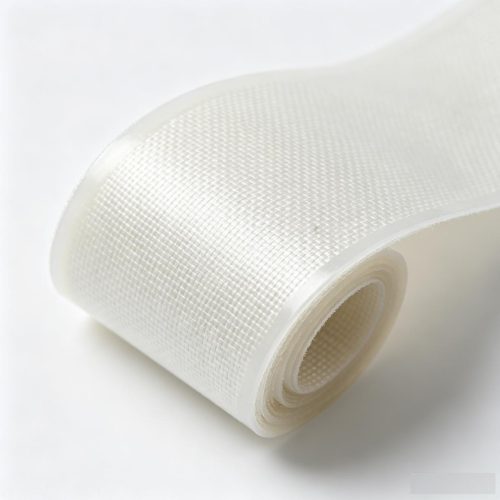
Reinforced constructions may incorporate fiberglass fabric or other reinforcement layers to improve dimensional control and mechanical handling.
Reinforcement type and construction must be confirmed for the specific product grade.
Multilayer Silicone Cushion
Selected cushion constructions may use multiple layers to combine compression behavior, surface stability, and thermal performance.
Layer composition and thickness should be reviewed according to the application.
Composite Reusable Press Cushion
For applications requiring a specialized reusable composite cushioning structure, explore our Reusable PCB/CCL Lamination Cushion Pad.
Silicone rubber cushions and composite reusable cushion pads should not be assumed to have identical performance.
Preliminary Technical Specifications
| Property | Specification / Confirmation Required |
|---|---|
| Product Name | PCB Lamination Silicone Press Cushion |
| Base Material | Silicone-based elastomer |
| Construction | Solid, reinforced, or multilayer grades subject to availability |
| Color | Grade-dependent |
| Thickness | According to selected material grade |
| Thickness Tolerance | To be confirmed |
| Sheet Dimensions | Standard or custom cut-to-size |
| Maximum Operating Temperature | Grade-specific data required |
| Continuous Service Temperature | Grade-specific data required |
| Maximum Pressing Pressure | To be confirmed |
| Recommended Pressing Cycle | To be confirmed |
| Hardness | Grade-specific Shore A data required |
| Compression Deflection | Test data required |
| Compression Set | Test data required |
| Recovery / Resilience | Test data required |
| Thermal Conductivity | Grade-specific data required |
| Tensile Strength | Grade-specific data required |
| Reinforcement | Subject to selected construction |
| Reuse Cycles | Application- and grade-dependent |
| Surface Finish | Subject to grade |
| Dimensional Tolerance | Confirmed according to sheet size and process |
| Documentation | TDS and test reports subject to availability |
Technical Note: This table is a preliminary selection framework, not a certified product TDS. Actual temperature, pressure, hardness, compression, and reuse specifications must be verified for the selected material construction.
Typical Applications
Multilayer PCB Lamination
Silicone press cushions may be used in suitable multilayer PCB hot-press stacks to help distribute applied pressure and accommodate variations in panel thickness.
Cushion selection should consider the laminate resin system, pressing profile, and stack arrangement.
Copper Clad Laminate (CCL) Manufacturing
CCL manufacturing involves controlled temperature and pressure during resin consolidation and bonding.
Selected silicone cushion materials may provide a compliant interface within the pressing assembly.
Flexible Printed Circuit (FPC) Lamination
FPC lamination may require controlled pressure distribution when processing thin flexible materials and adhesive layers.
The cushion material should be evaluated for surface contact, compression behavior, and dimensional stability.
Rigid-Flex and HDI Substrate Processing
Rigid-flex and HDI structures may involve localized thickness variations and demanding lamination requirements.
Suitable press cushions can be evaluated to support pressure distribution, subject to process qualification.
Electronic Substrate Lamination
Selected silicone-based cushioning materials may also be evaluated for electronic substrate and specialty laminate pressing applications.
Lamination Stack Support Materials
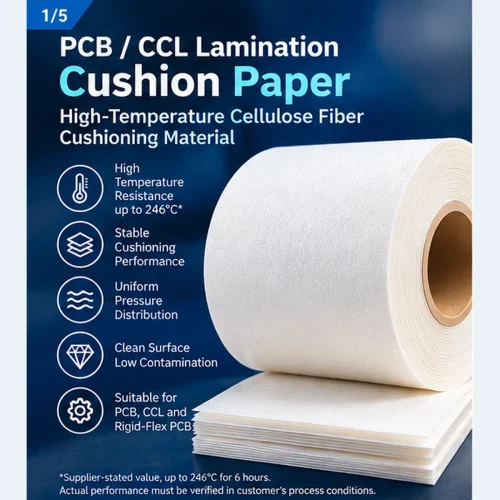
For processes using disposable pressure-distribution layers, customers may also consider our PCB / FPC / HDI Lamination Cushion Paper.
The selection between silicone cushions, composite reusable pads, and disposable cushion paper depends on the press configuration and process requirements.
Silicone Press Cushion vs Reusable Composite Cushion Pad vs Cushion Paper
| Selection Factor | Silicone Press Cushion | Reusable Composite Cushion Pad | Cushion Paper |
|---|---|---|---|
| Main Material | Silicone-based elastomer | Grade-dependent multilayer composite | Cellulose-based material |
| Primary Function | Compliant cushioning | Controlled pressure and thermal buffering | Disposable pressure cushioning |
| Reusability | Grade-dependent | Designed for repeated use in suitable grades | Generally single-use |
| Compression Behavior | Depends on hardness and construction | Engineered composite response | Depends on fiber structure and thickness |
| Temperature Suitability | Requires grade qualification | Requires grade qualification | Requires grade qualification |
| Custom Sizing | Available | Available | Available |
| Selection Priority | Compression, recovery, thermal exposure | Cycle stability and pressure uniformity | Cost, thickness, and disposable stack design |
The correct cushioning solution should be selected according to the press temperature, pressure, dwell time, panel geometry, and expected production cycles.
How to Select the Right Silicone Press Cushion
Step 1 — Confirm the Lamination Process
Identify whether the application involves multilayer PCB, CCL, FPC, rigid-flex, HDI, or another electronic substrate.
Step 2 — Provide the Temperature Profile
Specify:
- Maximum pressing temperature
- Continuous exposure temperature
- Dwell time at temperature
- Heating and cooling rate
- Number of thermal cycles
Step 3 — Confirm the Pressing Pressure
Provide the working pressure and maximum pressure.
Please specify the unit, such as MPa, bar, or kgf/cm².
Step 4 — Define Cushion Thickness and Hardness
Thickness and hardness influence the cushion’s compression response.
These parameters should be selected according to panel thickness variation, pressing force, and required contact uniformity.
Step 5 — Evaluate Compression and Recovery
Important considerations include:
- Compression under working load
- Permanent deformation after pressing
- Recovery between cycles
- Thickness retention
- Long-term stability
Step 6 — Review the Lamination Stack
The press cushion should be evaluated as part of the complete stack, including steel plates, release materials, cushioning layers, and laminate panels.
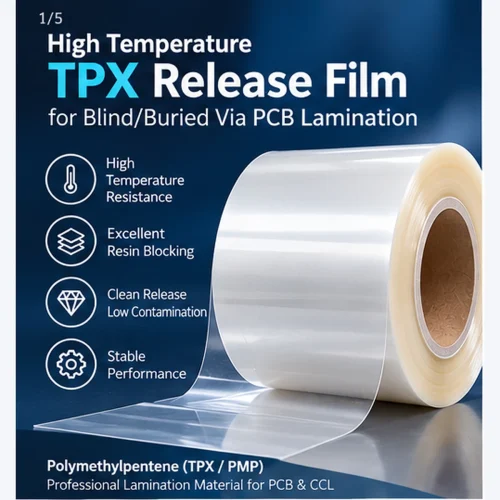
For specialized release and resin-control requirements, see our TPX Anti-Resin Release Film.
Step 7 — Confirm Dimensions and Supply Requirements
Provide sheet length, width, thickness, dimensional tolerance, quantity, and packaging requirements.
Common Lamination Problems and Cushion Selection Considerations
| Problem | Possible Cause | Recommended Evaluation |
|---|---|---|
| Uneven pressure | Incorrect cushion thickness or compression response | Review cushion construction and press stack |
| Permanent deformation | Excessive compression or thermal exposure | Check compression set and grade suitability |
| Cushion cracking | Thermal aging or mechanical fatigue | Evaluate temperature and cycle conditions |
| Thickness loss | Repeated compression and material aging | Monitor thickness retention |
| Surface marks | Cushion surface condition or stack contamination | Review surface finish and cleanliness |
| Inconsistent lamination | Variations in pressure or temperature distribution | Review complete pressing profile |
Custom Manufacturing and Supply Options
HighTemp Material supports custom silicone press cushion supply through qualified material and processing partners.
Depending on the selected grade and production requirements, available services may include:
- Custom sheet cutting
- Thickness and material grade selection
- Reinforced or multilayer construction sourcing
- Drawing-based size customization
- Sample preparation
- OEM batch supply
- Packaging and labeling
Actual manufacturing capabilities, dimensional tolerances, and documentation requirements are confirmed before quotation.
Frequently Asked Questions
What is a PCB lamination silicone press cushion?
It is a silicone-based cushioning material used in selected PCB lamination press stacks to help distribute pressure and accommodate thickness variations during hot pressing.
Can silicone press cushions be reused?
Some grades are designed for repeated use. Actual reuse life depends on temperature, pressure, cycle time, material construction, and replacement criteria.
What temperature can a silicone press cushion withstand?
The allowable temperature depends on the specific silicone formulation and finished construction. Grade-specific thermal data must be reviewed.
Are silicone press cushions suitable for 250°C PCB lamination?
Suitability at 250°C cannot be assumed for all silicone cushions. The selected construction must be evaluated under the actual pressure, dwell time, and thermal cycling conditions.
What is the difference between silicone press cushions and reusable composite cushion pads?
Silicone press cushions rely on silicone-based elastomeric behavior, while composite reusable cushion pads may combine multiple materials to achieve specific pressure and thermal characteristics.
Can you supply custom sizes?
Yes. Custom sheet dimensions can be evaluated according to material availability, processing capabilities, and order quantity.
Can you supply cushions for FPC or HDI lamination?
Selected grades may be evaluated for FPC and HDI lamination. Suitability depends on the process conditions and press stack design.
What information is required for a quotation?
Please provide operating temperature, pressing pressure, dwell time, cushion thickness, sheet dimensions, expected reuse cycles, and estimated quantity.
Request PCB Lamination Silicone Press Cushion Samples and Quotations
Looking for silicone press cushions for PCB, CCL, FPC, or electronic substrate lamination?
HighTemp Material supports material selection, custom sizing, sample evaluation, and OEM supply.
Send us your lamination conditions, required cushion dimensions, and expected production cycles for a preliminary technical review.
HighTemp Material Co., Ltd.
Website: https://www.hightempmaterial.com/
Request a Quote | Request Samples | Discuss Your Pressing Conditions