
RESOURCE CATEGORIES
POPULAR RESOURCES
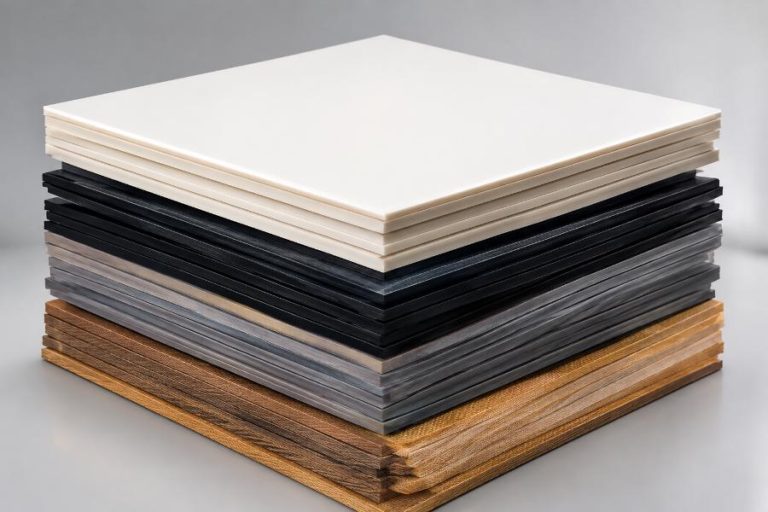
High Temperature Materials Selection Guide
How to choose the right material for your application.
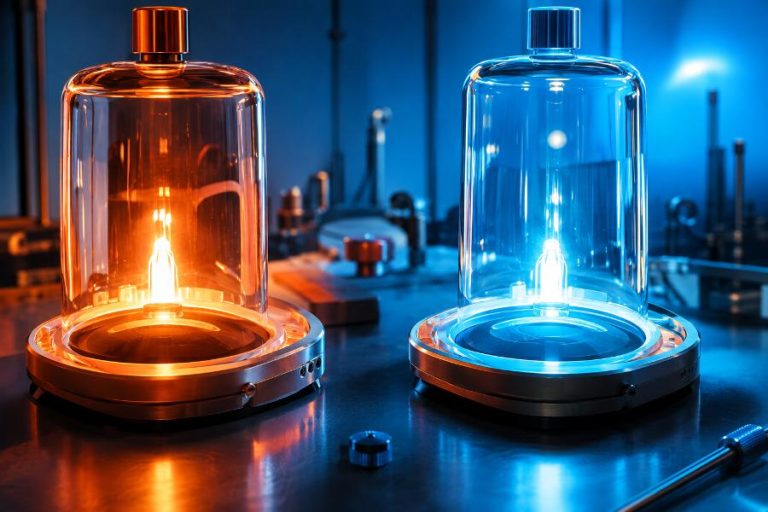
Temperature Resistance Reference Guide
Continuous service temperature for common materials.
Chemical Resistance Guide
Chemical compatibility of our materials.
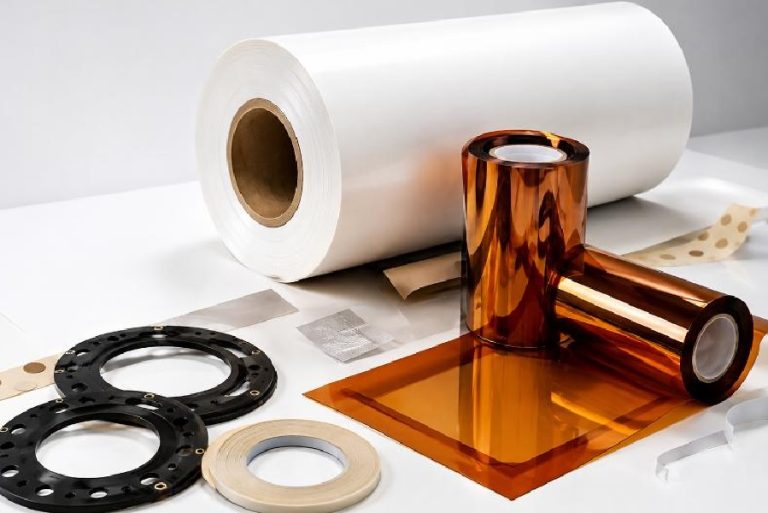
Material Comparison Chart
Compare properties and performance data.
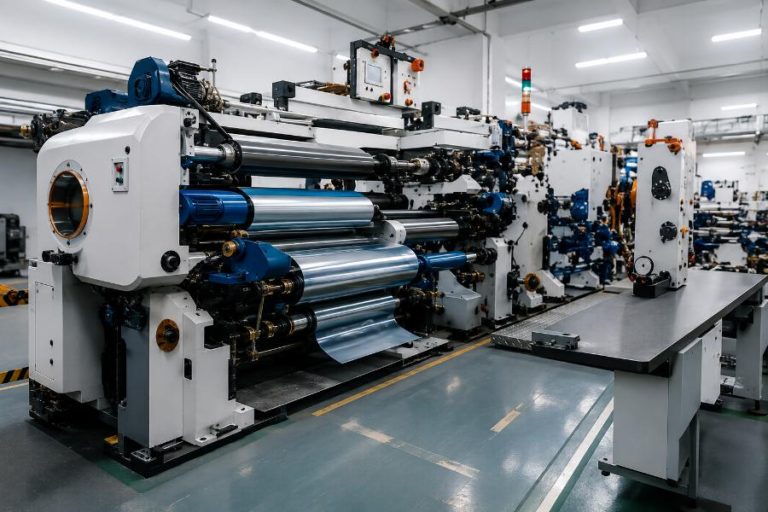
Conversion & Manufacturing Guide
Our converting capabilities and processes.
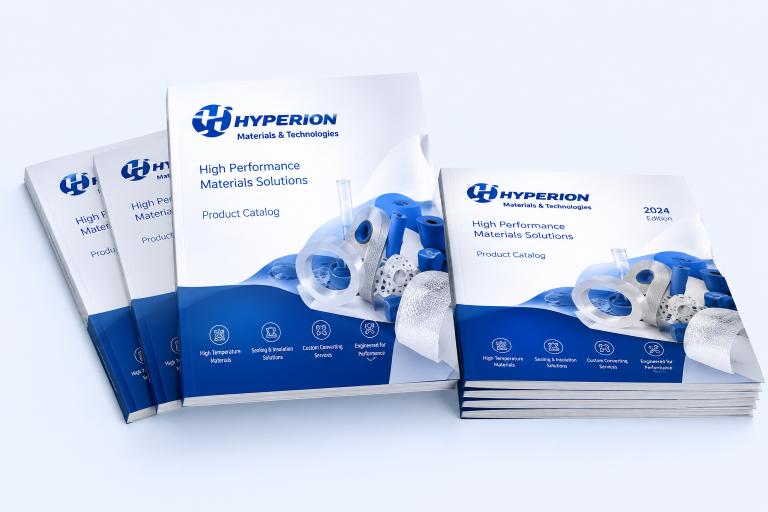
Product Catalog
Complete product catalog and solutions overview.
RESOURCE CATEGORIES
APPLICATION SOLUTIONS
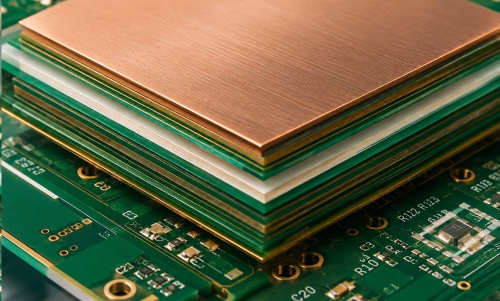
PCB Lamination
Insulation, release and protection materials for multilayer PCB lamination process.
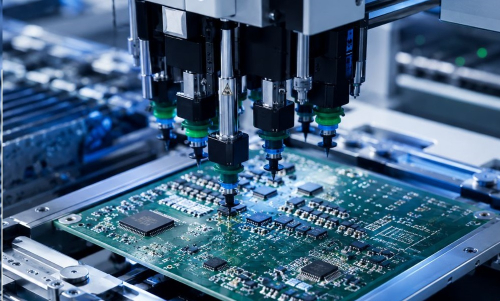
SMT Assembly
High temperature tapes, cushions and protection materials for SMT manufacturing.
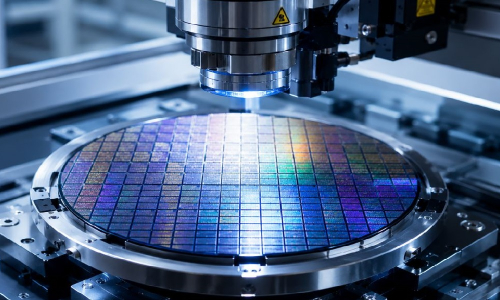
Semiconductor
Precision protection and insulation materials for semiconductor manufacturing.

Solar PV
Insulation, release and protection materials for Insulation and protection materials for solar cell and module production.
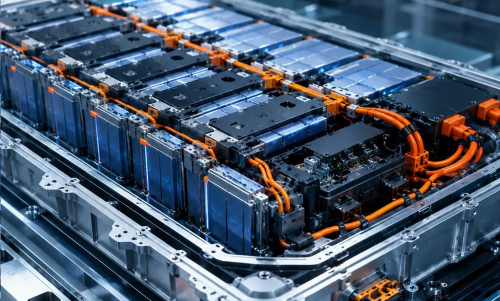
Battery Pack
Insulation, cushioning and thermal protection materials for battery pack assembly.
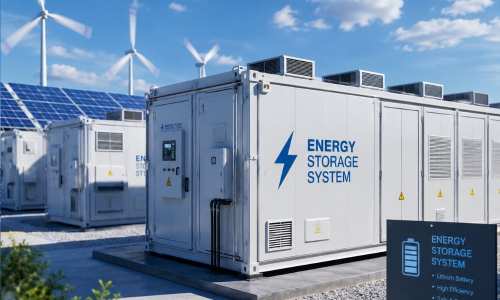
Energy Storage
Reliable insulation and fireproof materials for energy storage systems.
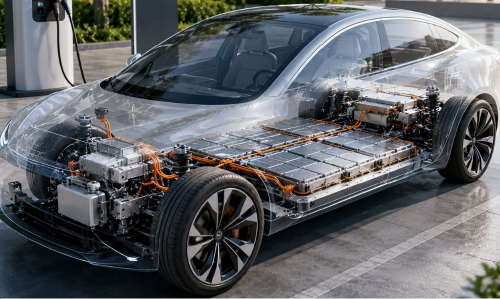
Electric Vehicle
High performance materials for EV battery, power electronics and thermal management.
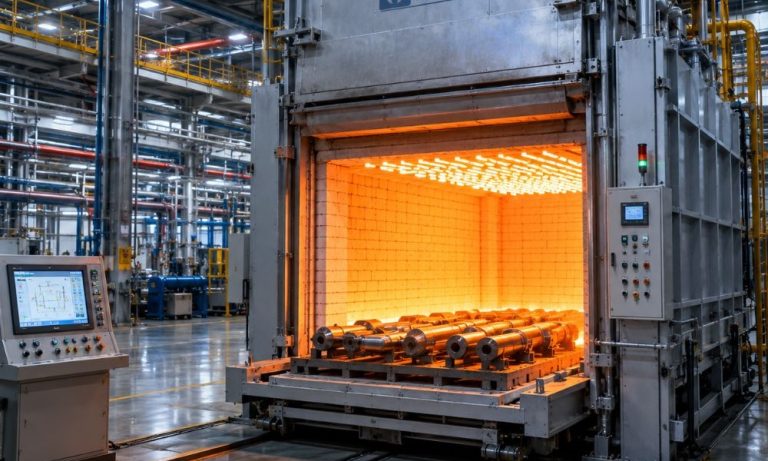
Industrial Furnace
High temperature insulation materials for furnaces and heat treatment equipment.
INDUSTRY INSIGHTS & NEWS
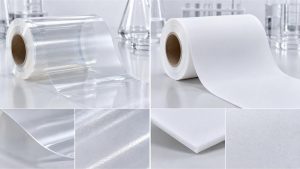
FEP vs PTFE Film: Key Differences in Processing and Performance
FEP and PTFE films belong to the fluoropolymer family and share valuable characteristics such as chemical resistance, electrical insulation, low surface energy and good performance in demanding environments. However, they are not interchangeable. Their different molecular structures lead to major differences in melt processing, transparency, heat sealing, temperature capability, stiffness and fabrication.
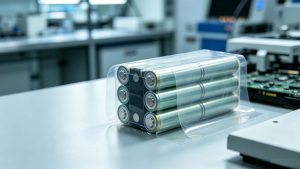
Case Study: UL94 VTM-0 PET Film for Battery Insulation Applications
How a flame-retardant PET insulation film helped a U.S. customer meet laboratory material requirements for a battery-powered product
When developing a new battery-powered product for the U.S. market, material selection is not only about thickness, flexibility, or cost. For products containing batteries, flammability, electrical insulation, and regulatory compliance can become critical factors during laboratory evaluation.
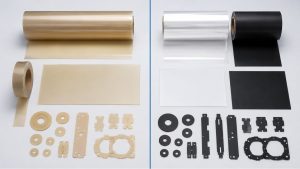
PPS vs PET Film: Which Electrical Insulation Film Should You Choose?
PPS film is generally selected for demanding environments involving higher temperatures, thermal aging, chemicals, humidity, or flame-performance requirements. PET film offers dependable electrical insulation, broad availability, convenient processing, and lower material cost for applications operating within its qualified limits.
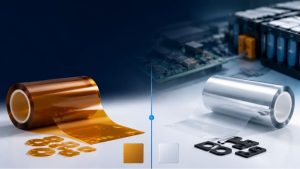
PI vs PET Film: Temperature Resistance, Insulation and Cost Comparison
PI film is generally selected when an application requires greater thermal stability or resistance to demanding processing conditions. PET film is often preferred when reliable electrical insulation, dimensional stability, and lower material cost are the main priorities.
NEED MORE INFORMATION?
Our technical team is ready to help you find the right solutions for your applications