PET Masking Film for SMT Reflow
PET Masking Film for SMT Reflow and PCB assembly protection. Explore adhesive options, thermal profile selection, clean removal and custom die-cut sizes.
PET Masking Film for SMT Reflow
Polyester-Based Temporary Masking and Protection Film for PCB Assembly
Product Overview
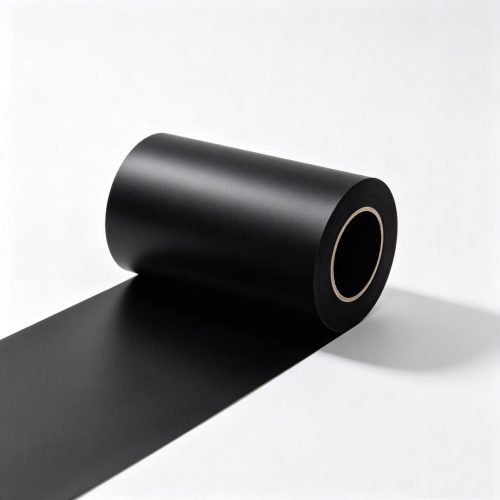
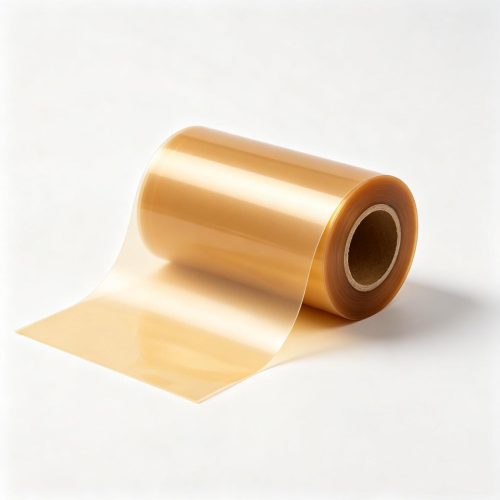
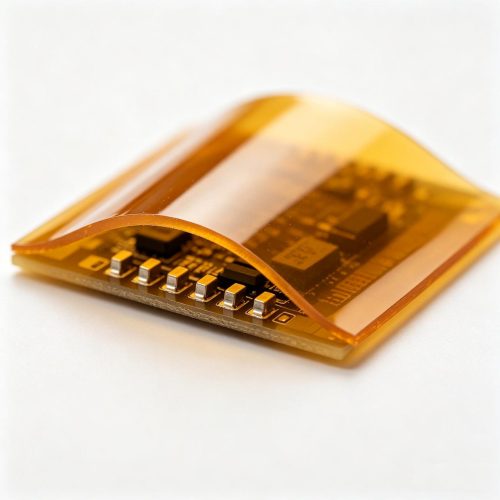
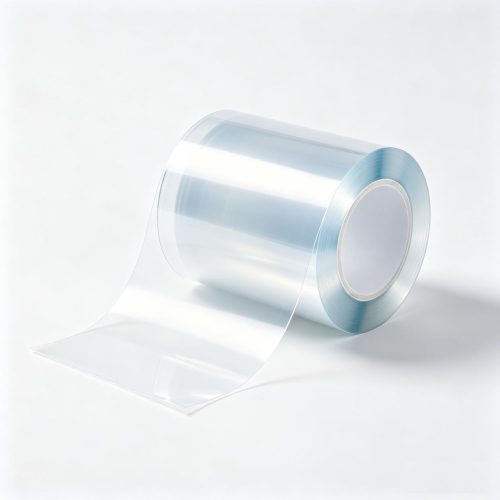
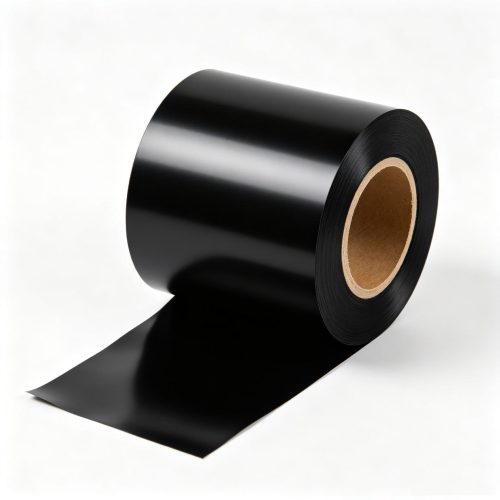
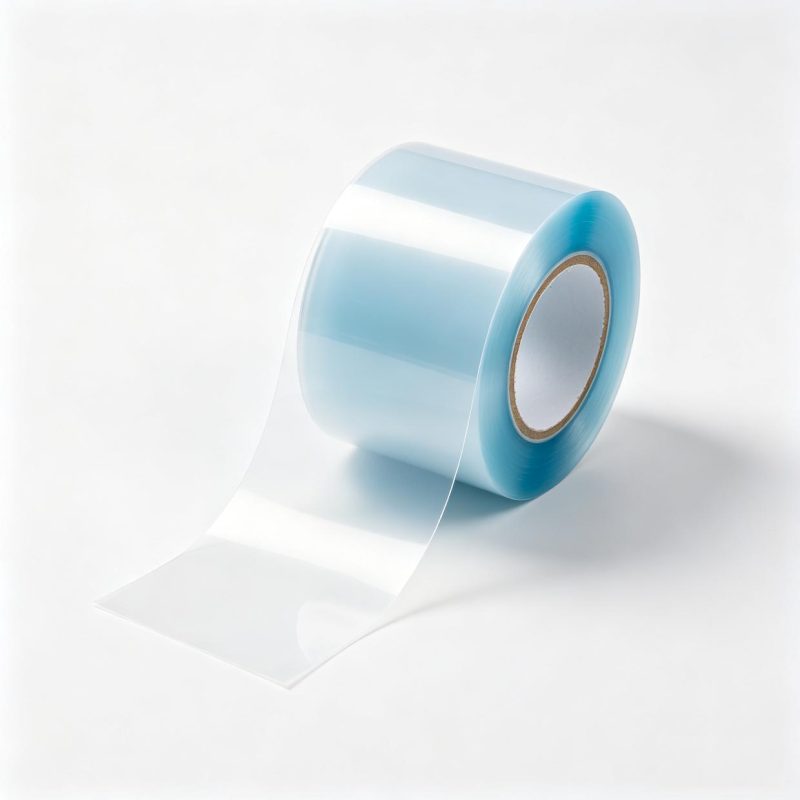
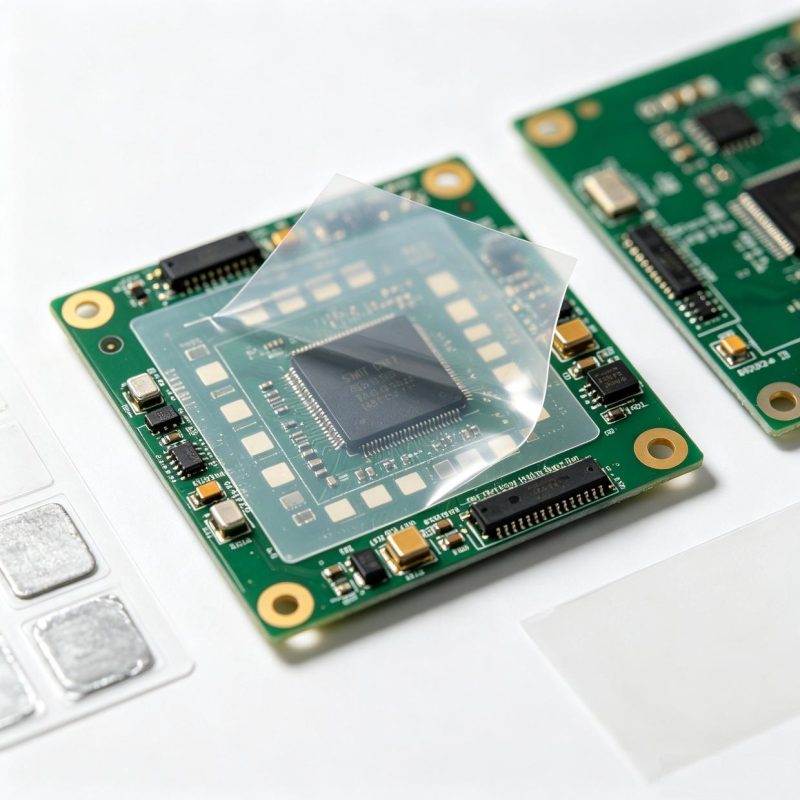
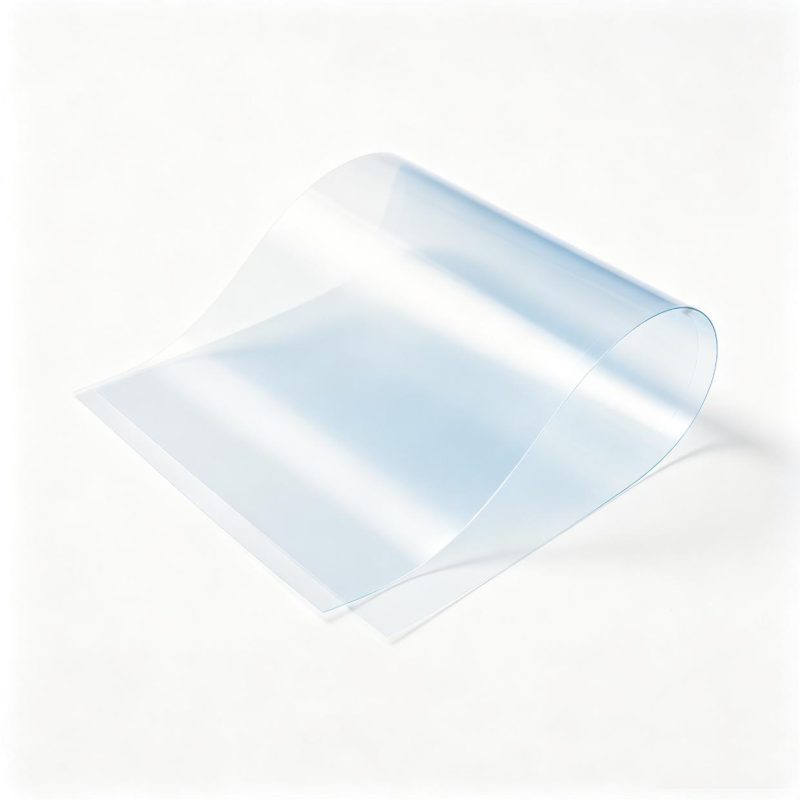
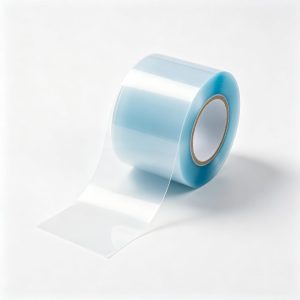
PET Masking Film for SMT Reflow is a polyester-based masking and protective film intended for selected electronics manufacturing and PCB assembly processes.
Depending on the selected construction, PET masking materials may be used for temporary surface protection, process masking, handling protection, and heat-exposure applications.
HighTemp Material supplies PET film materials and supports custom converting services, including precision slitting, sheet cutting, and die-cut masking components through qualified converting resources.
For applications involving direct exposure to solder reflow temperatures, the complete film construction must be qualified under the customer’s actual thermal profile.
Key Features
- Polyester (PET) film substrate
- Thin and flexible film construction
- Adhesive-coated or non-adhesive options subject to grade availability
- Custom widths, sheets, and die-cut masking shapes
- Suitable for evaluation in selected PCB assembly processes
- Application-specific temperature and removal testing
Request Samples | Submit Your Reflow Profile | Get a Quote
Key Features and Benefits
1. Temporary Surface Protection
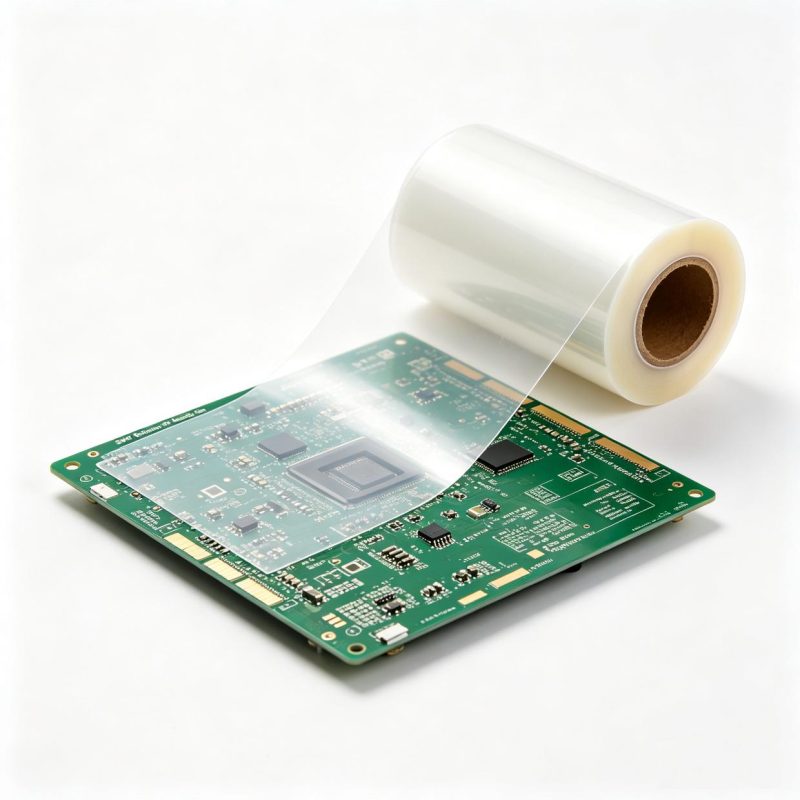
PET film can provide a temporary protective barrier for selected PCB surfaces and components during handling, processing, or assembly operations.
The suitability of a particular PET film depends on its construction, temperature exposure, and required removal conditions.
2. Application-Specific Thermal Performance
PET is used in a wide range of industrial film applications, but its thermal performance depends on the selected grade and processing conditions.
For SMT reflow masking, the relevant factors include peak temperature, exposure duration, heating rate, and the number of thermal cycles.
A film suitable for a lower-temperature process may not withstand a full lead-free solder reflow profile.
3. Adhesive Selection and Removal
Adhesive-coated PET masking films may use different adhesive chemistries depending on the intended process.
Important evaluation criteria include:
- Initial adhesion to the substrate
- Adhesion retention during heating
- Edge lifting or curling
- Adhesive transfer or residue
- Clean removal after cooling
Clean removal must be validated on the actual PCB surface.
4. Custom Converting
HighTemp Material supports customized supply formats for selected PET masking materials.
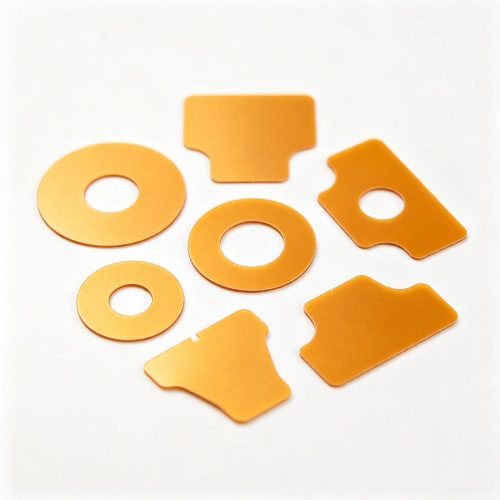
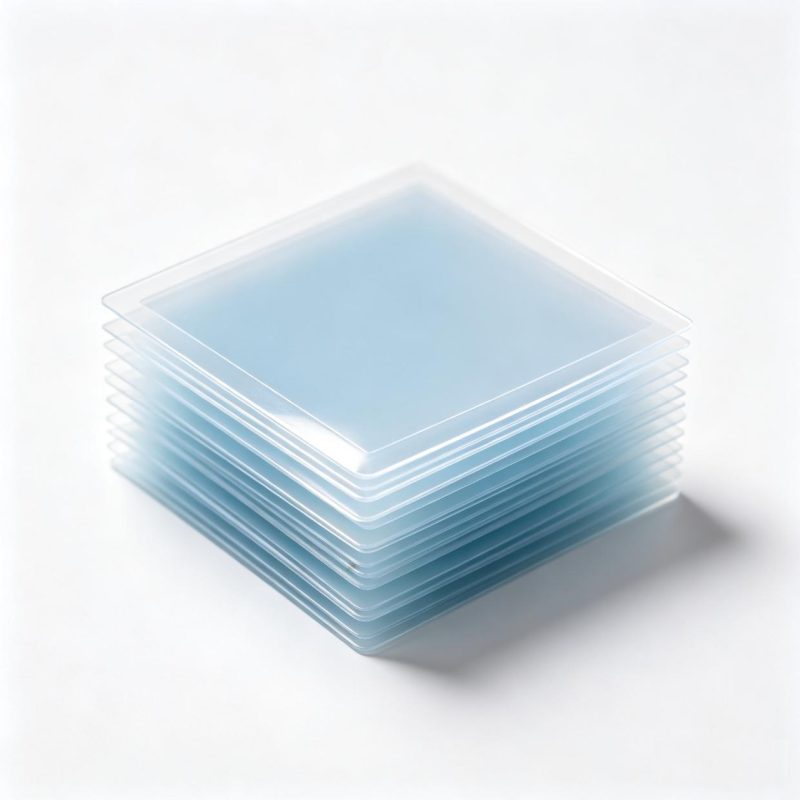
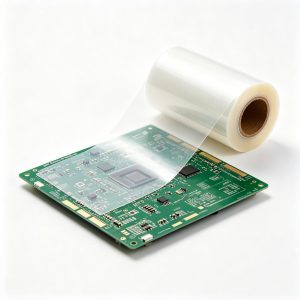
These may include narrow slit rolls, rectangular sheets, punched openings, and die-cut shapes designed around PCB assembly areas.
5. Material and Process Selection Support
We assist customers in reviewing their masking requirements, including substrate type, exposure temperature, contact duration, adhesive preference, and dimensional specifications.
Where PET is not suitable for the required thermal profile, alternative high-temperature masking materials may be recommended.
Preliminary Technical Specifications
| Property | Specification / Availability |
|---|---|
| Product | PET Masking Film for SMT Reflow |
| Base Material | Polyethylene Terephthalate (PET) |
| Film Construction | Grade-dependent |
| Adhesive Type | To be confirmed, if applicable |
| Color | Grade-dependent |
| Film Thickness | Subject to available grade |
| Total Thickness | Pending confirmation |
| Maximum Process Temperature | Pending thermal qualification |
| Thermal Shrinkage | Pending testing |
| Adhesion to Steel | Pending grade-specific data |
| Peel Adhesion After Heating | Pending testing |
| Adhesive Residue | Pending testing |
| Tensile Strength | Pending grade-specific data |
| Roll Width | Custom slitting subject to availability |
| Sheet Dimensions | Custom cutting available upon evaluation |
| Die-Cut Shapes | According to drawing and feasibility |
| Compliance Documentation | Subject to grade and supplier availability |
Technical Note: This table is preliminary product information, not a certified technical data sheet. No direct lead-free reflow temperature rating is claimed without product-specific qualification.
Typical Applications
PCB Assembly Masking
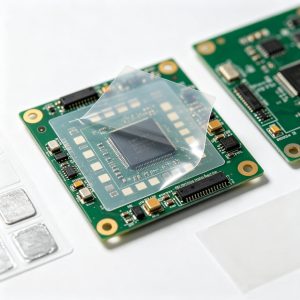
Temporary masking and protection of designated PCB areas during compatible assembly operations.
SMT Process Protection
Selected PET masking constructions may be evaluated for protection during process steps associated with SMT production, subject to temperature and chemical compatibility.
Pre-Reflow Handling Protection
PET protective films may help protect sensitive surfaces during storage, handling, and preparation before the solder reflow process.
Where a film is intended to remain on the PCB during reflow, separate high-temperature qualification is required.
Custom Die-Cut Masking Components
Custom-shaped PET masking pieces can be supplied for repeatable placement on selected PCB features or assembly areas.
Electronics Manufacturing Protection
PET film may also be considered for temporary protection during compatible coating, inspection, transport, or secondary manufacturing operations.
PET vs Polyimide Masking Film for SMT Applications
| Selection Factor | PET Masking Film | Polyimide (PI) Masking Film |
|---|---|---|
| Base Polymer | Polyester | Polyimide |
| Relative Material Cost | Generally lower | Generally higher |
| High-Temperature Capability | Grade-dependent; limited for direct lead-free reflow | Suitable grades may support high-temperature reflow |
| Dimensional Stability | Depends on thermal exposure and grade | Generally better suited to elevated-temperature masking |
| Adhesive Options | Construction-dependent | Construction-dependent |
| Custom Die Cutting | Available | Available |
| Best Selection Basis | Confirmed process compatibility and cost | Higher-temperature process requirements |
For direct exposure to high-temperature lead-free solder reflow, polyimide-based masking materials should generally be evaluated before conventional PET masking films.
How to Select PET Masking Film for Your SMT Process
Step 1 — Confirm the Actual Thermal Profile
Provide the maximum film-surface temperature, heating duration, time above critical temperatures, and total number of cycles.
Step 2 — Identify the Masking Location
Specify whether the film is applied to solder mask, copper, laminate, connectors, components, or another surface.
Step 3 — Define Adhesive Requirements
Confirm whether the application requires adhesive coating, low-tack adhesion, repositionability, or residue-free removal.
Step 4 — Review Dimensional Requirements
Provide film thickness, roll width, cut-piece dimensions, and critical tolerances.
Step 5 — Conduct Production Trials
Evaluate shrinkage, curling, edge lifting, residue, surface contamination, and removal behavior after the intended thermal process.
Custom Slitting and Die-Cutting Services
HighTemp Material supports custom converting of selected industrial PET film materials.
Depending on the film construction and order requirements, services may include:
- Precision roll slitting
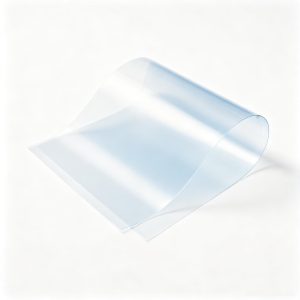
- Cut-to-size sheets
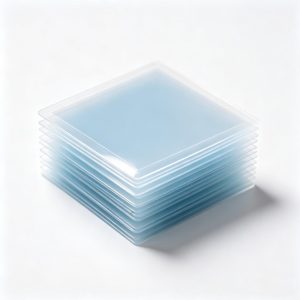
- Die-cut masking shapes
- Custom openings and profiles
- Application-specific packaging
- Sample preparation for engineering trials
Please share your drawings, required dimensions, and annual consumption for quotation.
Frequently Asked Questions
Can PET masking film withstand SMT reflow temperatures?
Not all PET masking films can withstand a full SMT reflow cycle. Direct exposure to lead-free reflow conditions requires qualification of the specific PET film and adhesive construction.
Is PET masking film suitable for 260°C reflow?
A 260°C peak temperature should not be assumed acceptable for conventional PET masking films. The material must be tested against the actual temperature profile. Polyimide masking film is often a more appropriate candidate for this temperature range.
Do you supply PET masking film with adhesive?
Adhesive-coated options can be evaluated according to available constructions. Adhesive chemistry, thickness, and thermal performance must be confirmed.
Can the masking film be removed without residue?
Clean removal depends on the adhesive system, PCB surface, temperature exposure, and removal procedure. Qualification testing is recommended.
Can you provide custom die-cut shapes?
Yes. Custom die-cut pieces can be evaluated based on drawings, film thickness, tolerance requirements, and order quantity.
What information is needed for a quotation?
Please provide the intended masking application, peak temperature, heating duration, number of reflow cycles, film dimensions, adhesive requirements, and estimated quantity.
Request PET Masking Film Samples and Quotations
Looking for PET masking film for PCB assembly or SMT process protection?
HighTemp Material can assist with material selection, custom converting, and engineering sample evaluation.
Send us your process requirements and drawings to discuss a suitable masking solution.
HighTemp Material Co., Ltd.
Website: https://www.hightempmaterial.com/
Request a Quote | Request Samples | Ask for Material Selection Support