
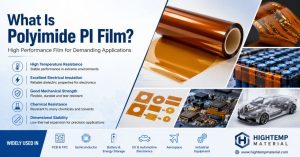
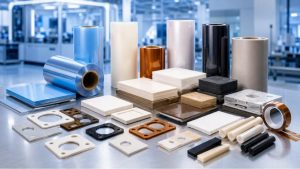
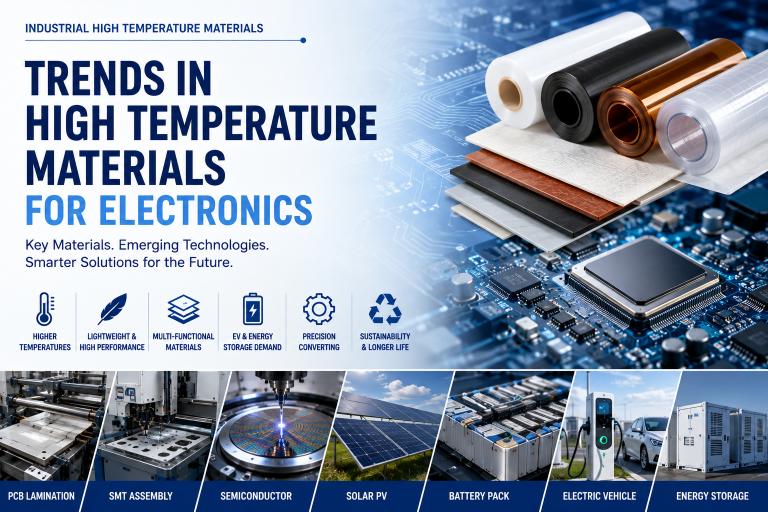
As electronic devices become more compact, more powerful, and increasingly integrated, thermal management has become one of the biggest engineering challenges. From multilayer PCB manufacturing to semiconductor packaging, electric vehicles, and energy storage systems, selecting the right high temperature material is no longer simply a matter of heat resistance—it directly affects product reliability, manufacturing efficiency, and long-term performance.
This article explores the latest trends in high temperature materials and how engineers can make smarter material selection decisions for modern electronic applications.
Why High Temperature Materials Matter
Electronic manufacturing processes often expose materials to extreme conditions, including:
- High lamination temperatures
- Continuous thermal cycling
- Chemical exposure
- Mechanical pressure
- Electrical insulation requirements
Traditional insulation materials may soften, deform, or lose their dielectric properties under these conditions. High-performance materials are specifically engineered to maintain dimensional stability, electrical insulation, and mechanical strength even at elevated temperatures.
Trend 1: Higher Operating Temperatures
As power density increases, electronic components generate more heat than ever before.
Examples include:
- High-power PCBs
- Power modules
- EV battery systems
- Energy storage systems
- Semiconductor manufacturing equipment
Instead of materials rated for only 150–180°C, manufacturers are increasingly adopting solutions capable of continuous operation above 250°C.
Typical high-temperature materials include:
| Material | Continuous Temperature | Typical Applications |
|---|---|---|
| PET Film | 150°C | General insulation |
| PEN Film | 180°C | Solar PV |
| PPS Film | 220°C | Battery & Electronics |
| PTFE Film | 260°C | PCB, Semiconductor |
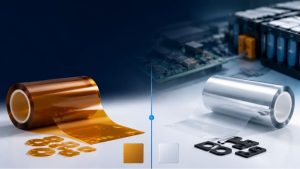
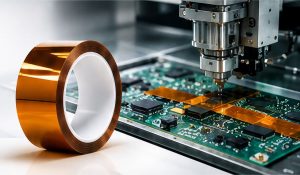
| PI Film | 260–300°C | SMT, Flexible Electronics |
| Ceramic Fiber | Up to 1260°C | Industrial Furnaces |
Trend 2: Lightweight Materials with Superior Thermal Performance
Modern electronics require thinner, lighter, and more efficient insulation materials.
Engineers are replacing traditional thick insulation boards with advanced materials that offer:
- Reduced weight
- Higher dielectric strength
- Better flexibility
- Improved thermal resistance
- Longer service life
Examples include:
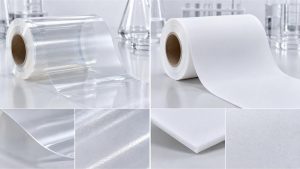
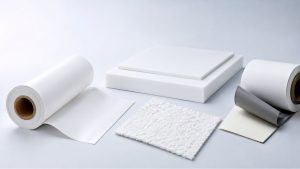
- ePTFE Microporous Film
- Polyimide (PI) Film
- PPS Film
- High-performance Silicone Sheets
These materials enable compact product designs while maintaining excellent insulation performance.
Trend 3: Multi-Functional Materials
Today’s materials are expected to perform multiple functions simultaneously.
Instead of only providing insulation, advanced materials often combine:
- Electrical insulation
- Thermal insulation
- Chemical resistance
- Flame retardancy
- Mechanical cushioning
- Dimensional stability
For example, PTFE film is widely used because it offers:
- Excellent dielectric properties
- Outstanding chemical resistance
- Low friction coefficient
- High temperature resistance
- Long service life
Trend 4: Increased Demand from EV and Energy Storage
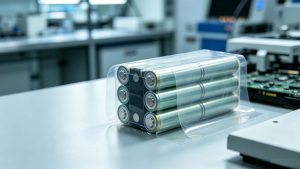
Electric vehicles and battery energy storage systems continue to drive demand for high-performance insulation materials.
Typical applications include:
- Battery pack insulation
- Cell spacing
- Thermal barriers
- Busbar insulation
- Fire protection
- Power electronics
Common materials include:
- PPS Film
- PTFE Film
- Silicone Rubber
- Aerogel Insulation
- Mica Sheets
These materials help improve battery safety while supporting higher energy density and longer operational life.
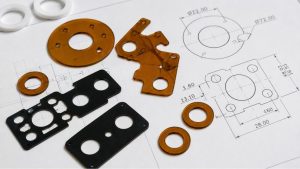
Trend 5: Precision Converting for Custom Components
Material performance alone is no longer enough.
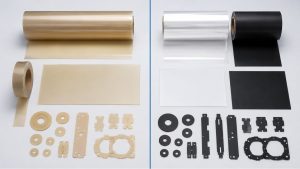
Manufacturers increasingly require converted parts that can be installed directly into production assemblies.
Typical converting services include:
- Precision Die Cutting
- CNC Cutting
- Slitting
- Adhesive Laminating
- Custom Gaskets
- OEM Fabrication
This reduces assembly time, minimizes material waste, and improves production efficiency.
Trend 6: Sustainability and Longer Material Life
Manufacturers are paying greater attention to sustainability and lifecycle cost.
Long-life materials reduce:
- Maintenance frequency
- Material waste
- Replacement costs
- Production downtime
For example, reusable cushion pads used in PCB lamination can replace disposable kraft paper, helping reduce operating costs while improving process consistency.
How to Select the Right High Temperature Material
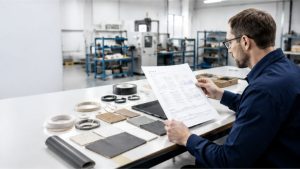
When choosing a material, engineers should evaluate more than maximum temperature ratings.
Consider the following factors:
- Continuous operating temperature
- Peak temperature exposure
- Thermal cycling resistance
- Electrical insulation requirements
- Chemical compatibility
- Mechanical strength
- Dimensional stability
- Flame resistance
- Manufacturing process
- Cost versus service life
A comprehensive evaluation ensures reliable long-term performance in demanding environments.
Industries Benefiting from Advanced High Temperature Materials
High temperature materials are widely used across multiple industries, including:
- PCB Lamination
- SMT Assembly
- Semiconductor Manufacturing
- Solar PV
- Battery Pack Production
- Energy Storage Systems
- Electric Vehicles (EV)
- Industrial Furnaces
- Power Electronics
- Aerospace Equipment
Each application presents unique thermal, mechanical, and chemical challenges, making material selection a critical part of product design.
Conclusion
The future of electronic manufacturing depends heavily on advanced materials that can withstand increasingly demanding operating conditions. As electronics continue to evolve toward higher power density, greater miniaturization, and improved reliability, high temperature materials will play an even more important role in ensuring performance and safety.
Whether you are designing multilayer PCBs, battery systems, semiconductor equipment, or industrial thermal insulation solutions, selecting the right material is the foundation of a successful design.
At HighTemp Material Co., Ltd., we provide a comprehensive range of high temperature films, insulation materials, thermal protection products, and precision converting services to support engineers worldwide.
If you need assistance selecting the most suitable material for your application, our engineering team is ready to help.