BLOG & INSIGHTS
Knowledge. Innovation. Solutions.
Stay updated with the latest industry trends, technical knowledge, product innovations and application solutions in high temperature materials and insulation.
FEATURED ARTICLE
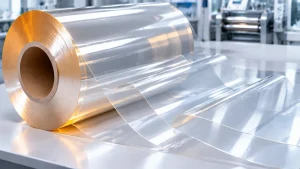
Mylar Polyester Film: Material Properties, Electrical Insulation and Industrial Applications
Mylar polyester film is widely used in electrical insulation, electronics, industrial components and precision converting. This technical guide explains its material properties, electrical performance, thickness selection, surface characteristics, industrial applications and key considerations for specifying PET film in demanding engineering environments.
LATEST ARTICLES
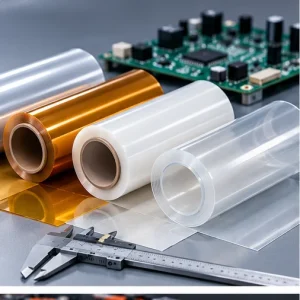
How to Choose the Right Thickness for Electrical Insulation Film
Choosing the right electrical insulation film thickness requires more than checking dielectric strength. This engineering guide explains how voltage, temperature, material properties, thickness tolerances and converting requirements affect PET, PI, PPS and PEN film selection for battery packs and electronic equipment.

High-Temperature Materials Used in Solar Module Lamination: An Engineering Selection Guide
An engineering guide to high-temperature consumables used in solar module lamination. Learn how to select PTFE-coated fiberglass, silicone-coated fabrics, release films and cushioning materials based on temperature, release performance, pressure uniformity, durability and process compatibility.
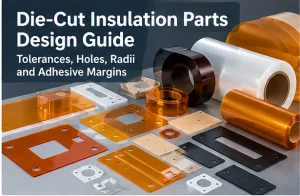
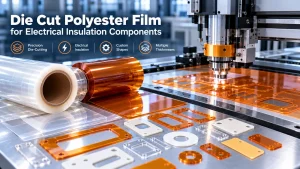
Die-Cut Insulation Parts Design Guide: Tolerances, Holes, Radii and Adhesive Margins
Learn how to design custom die-cut electrical insulation parts using PET, PI, PPS, PEN and PTFE films. This engineering guide covers dimensional tolerances, hole and slot design, corner radii, adhesive edge margins, tooling considerations and drawing requirements for reliable manufacturing.
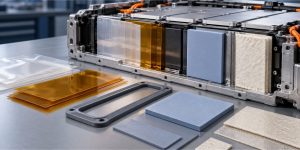
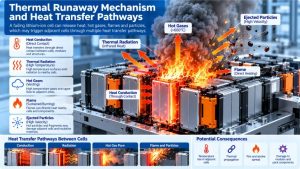
Battery Insulation vs Thermal Management vs Thermal Runaway Protection Materials
Compare PET, PI, silicone pads, thermal potting compounds and ceramic-forming silicones for battery insulation, thermal management and safety.
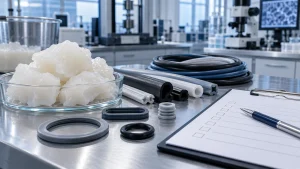
Recycled Silicone for High-Temperature Insulation: What Buyers Must Verify Before Qualification
Learn how to evaluate recycled silicone for High-Temperature Insulation, seals, cables and molded parts, including thermal, dielectric, aging and traceability requirements.
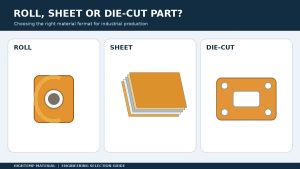
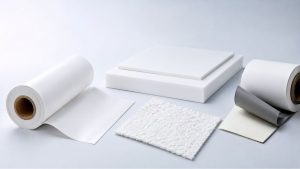
Roll, Sheet or Die-Cut Part: Which Material Format Is Best for Your Production?
Should you purchase electrical insulation film in rolls, sheets or custom die-cut parts? This practical B2B guide compares material utilization, converting costs, production efficiency, handling and lead time to help engineers and buyers select the best supply format for PET, PI, PTFE, PPS and PEN materials.
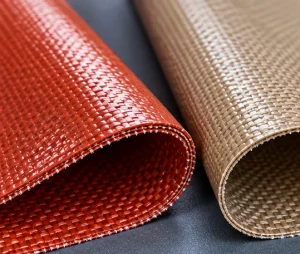
Silicone-Coated Fiberglass vs PTFE-Coated Fiberglass Fabric: Complete Selection Guide
Silicone-coated and PTFE-coated fiberglass fabrics offer different advantages in industrial heat protection, release performance and chemical resistance. This engineering guide compares their construction, temperature limits, flexibility, applications and key purchasing specifications to help you choose the right coated fiberglass material.
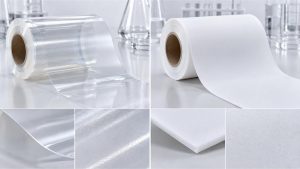
FEP vs PTFE Film: Key Differences in Processing and Performance
FEP and PTFE films belong to the fluoropolymer family and share valuable characteristics such as chemical resistance, electrical insulation, low surface energy and good performance in demanding environments. However, they are not interchangeable. Their different molecular structures lead to major differences in melt processing, transparency, heat sealing, temperature capability, stiffness and fabrication.
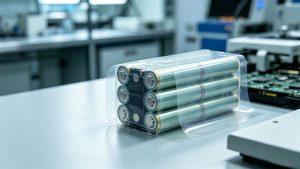
Case Study: UL94 VTM-0 PET Film for Battery Insulation Applications
How a flame-retardant PET insulation film helped a U.S. customer meet laboratory material requirements for a battery-powered product
When developing a new battery-powered product for the U.S. market, material selection is not only about thickness, flexibility, or cost. For products containing batteries, flammability, electrical insulation, and regulatory compliance can become critical factors during laboratory evaluation.