BLOG & INSIGHTS
Knowledge. Innovation. Solutions.
Stay updated with the latest industry trends, technical knowledge, product innovations and application solutions in high temperature materials and insulation.
FEATURED ARTICLE
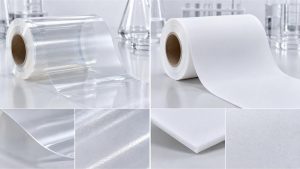
FEP vs PTFE Film: Key Differences in Processing and Performance
FEP and PTFE films belong to the fluoropolymer family and share valuable characteristics such as chemical resistance, electrical insulation, low surface energy and good performance in demanding environments. However, they are not interchangeable. Their different molecular structures lead to major differences in melt processing, transparency, heat sealing, temperature capability, stiffness and fabrication.
LATEST ARTICLES
FEP vs PTFE Film: Key Differences in Processing and Performance
FEP and PTFE films belong to the fluoropolymer family and share valuable characteristics such as chemical resistance, electrical insulation, low surface energy and good performance in demanding environments. However, they are not interchangeable. Their different molecular structures lead to major differences in melt processing, transparency, heat sealing, temperature capability, stiffness and fabrication.
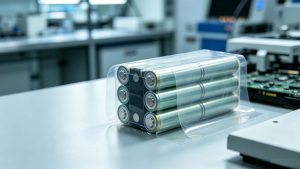
Case Study: UL94 VTM-0 PET Film for Battery Insulation Applications
How a flame-retardant PET insulation film helped a U.S. customer meet laboratory material requirements for a battery-powered product
When developing a new battery-powered product for the U.S. market, material selection is not only about thickness, flexibility, or cost. For products containing batteries, flammability, electrical insulation, and regulatory compliance can become critical factors during laboratory evaluation.
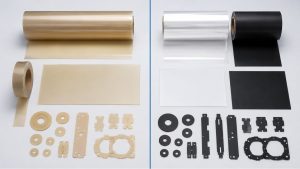
PPS vs PET Film: Which Electrical Insulation Film Should You Choose?
PPS film is generally selected for demanding environments involving higher temperatures, thermal aging, chemicals, humidity, or flame-performance requirements. PET film offers dependable electrical insulation, broad availability, convenient processing, and lower material cost for applications operating within its qualified limits.
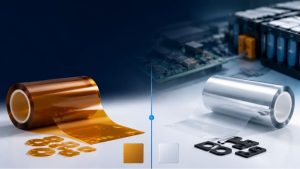
PI vs PET Film: Temperature Resistance, Insulation and Cost Comparison
PI film is generally selected when an application requires greater thermal stability or resistance to demanding processing conditions. PET film is often preferred when reliable electrical insulation, dimensional stability, and lower material cost are the main priorities.
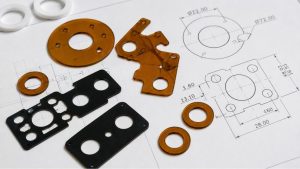
How to Request a Quote for Custom Die-Cut Insulation Parts
Custom die-cut insulation parts are widely used in electronics, battery systems, automotive components, electrical equipment, and industrial machinery. These parts help prevent short circuits, protect sensitive components, improve thermal resistance, and support reliable assembly.

How to Select a High-Temperature Material Supplier: 12 Questions Buyers Should Ask
This guide outlines 12 practical questions buyers should ask before approving a supplier of PTFE, polyimide, PET, PPS, PEN, silicone, mica, aerogel, fiberglass and other high-temperature materials.
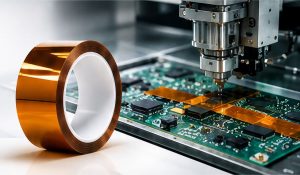
How to Choose High-Temperature Polyimide Tape for SMT Masking and Electrical Insulation
A practical guide to selecting the right polyimide tape for high-temperaturemasking in SMT processes and relliable electrical insulation in demandingindustrial applications.
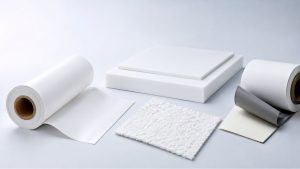
PTFE Film Types Explained: Skived, Molded, Expanded and Adhesive-Backed PTFE
Understand the differences between the four main PTFE fim types,
their manufacturing methods, properties, and typical applications soyou can choose the right material for your project.
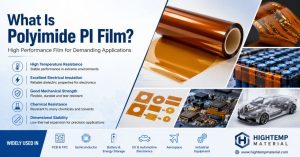
What Is Polyimide PI Film?
Polyimide (PI) film is a high-performance polymer film known for its excellent thermal stability, electrical insulation, mechanical strength, and chemical resistance. Because of these properties,