BLOG & INSIGHTS
Knowledge. Innovation. Solutions.
Stay updated with the latest industry trends, technical knowledge, product innovations and application solutions in high temperature materials and insulation.
FEATURED ARTICLE
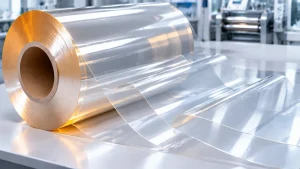
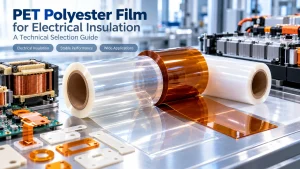
Mylar Polyester Film: Material Properties, Electrical Insulation and Industrial Applications
Mylar polyester film is widely used in electrical insulation, electronics, industrial components and precision converting. This technical guide explains its material properties, electrical performance, thickness selection, surface characteristics, industrial applications and key considerations for specifying PET film in demanding engineering environments.
LATEST ARTICLES
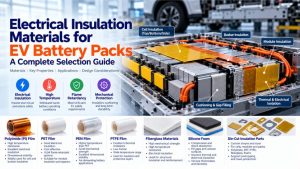
Electrical Insulation Materials for EV Battery Packs: A Complete Selection Guide
Choosing electrical insulation materials for EV battery packs requires more than comparing dielectric strength or temperature ratings. This engineering guide explains insulation requirements at cell, busbar, module and pack levels, compares PI, PET, PEN, PTFE, mica and cushioning materials, and provides practical guidance on material testing, flame performance, die-cut design and supplier qualification.
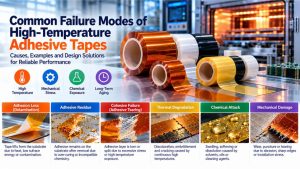
Common Failure Modes of High-Temperature Adhesive Tapes: Causes, Testing and Prevention
Why do high-temperature adhesive tapes lift, leave residue, split or crack during manufacturing and service? This engineering guide explains six common failure modes, their root causes, practical testing methods and prevention strategies for polyimide, PET, PTFE and other industrial adhesive tape constructions.
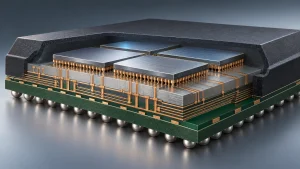
Advanced Semiconductor Packaging Materials: A Buyer’s Guide to Polyimide Insulation, Encapsulation and Process Support
A practical buyer’s guide to polyimide, PBO, mold underfill and process-support materials for advanced semiconductor packaging and RDL applications.
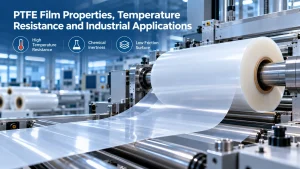
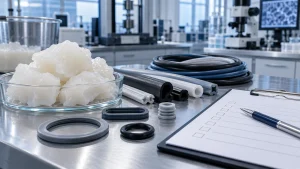
PTFE Film Properties, Temperature Resistance and Industrial Applications
PTFE film is used in demanding industrial applications where thermal resistance, electrical insulation, chemical compatibility, and low-friction surfaces are important. This engineering guide explains PTFE film properties, temperature limitations, manufacturing differences, industrial uses, testing methods, and practical selection criteria for technical buyers.
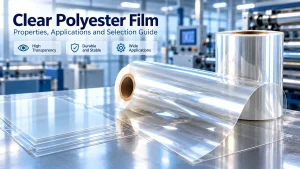
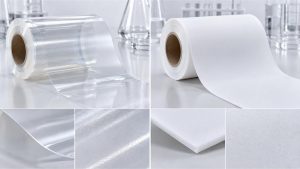
Clear Polyester Film: Properties, Applications and Selection Guide
Discover how to select clear polyester film for industrial applications. This technical guide covers PET film transparency, mechanical strength, thickness selection, thermal stability, electrical insulation, surface treatments, and precision die-cutting. Learn the key factors engineers and buyers should consider when choosing clear PET film for printing, laminating, and electronic applications.
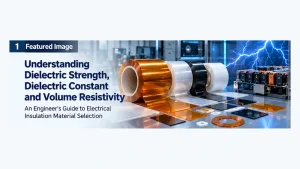
Understanding Dielectric Strength, Dielectric Constant and Volume Resistivity: An Engineer’s Guide
Dielectric strength, dielectric constant and volume resistivity measure different aspects of electrical insulation performance. This engineering guide explains their meanings, units, test methods and limitations, with practical guidance for selecting PI, PET, PPS, PEN and PTFE films for batteries, power electronics, PCB assemblies and industrial equipment.
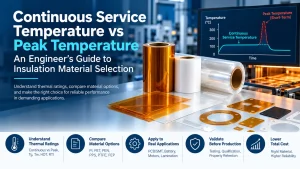
Continuous Service Temperature vs Peak Temperature: An Engineer’s Guide to Insulation Material Selection
continuous operating temperature, short-term temperature resistance, high temperature insulation film, polymer thermal aging, PI film temperature resistance, PTFE continuous use temperature, electrical insulation thermal endurance, RTI vs service temperature.
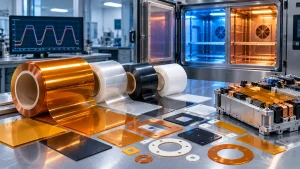
How Thermal Cycling Affects High-Temperature Films and Insulation Materials
Thermal cycling can affect the dimensional stability, adhesion, mechanical integrity and electrical reliability of high-temperature insulation films. This engineering guide explains key failure mechanisms, compares PI, PET, PPS, PEN and PTFE, and outlines practical qualification methods for battery, PCB, power electronics and industrial applications.
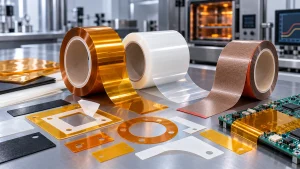
How to Select Pressure-Sensitive Adhesive for High-Temperature Applications
Choosing a high-temperature pressure-sensitive adhesive requires more than comparing temperature ratings. This engineering guide explains silicone, acrylic and rubber-based adhesives, substrate compatibility, peel and shear performance, thermal aging, clean removal, and adhesive-backed film converting for electronics and industrial applications.